

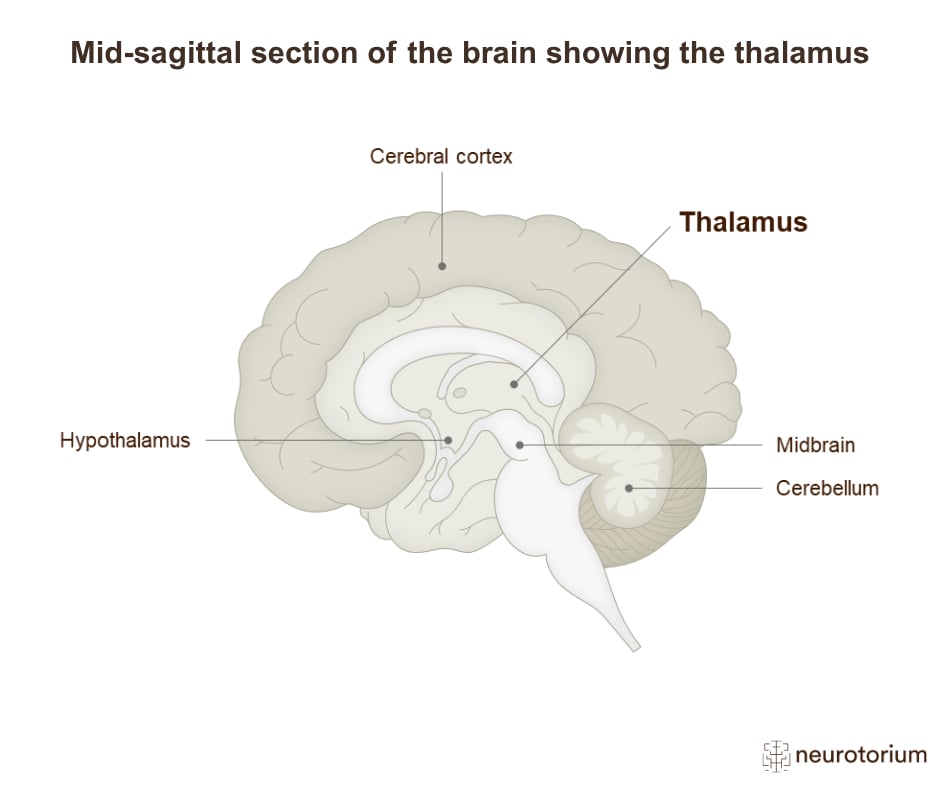
The thalamus is the largest part of the four main subdivisions of the diencephalon, it consists of neurons that collectively project to nearly all areas of the cerebral cortex1. The vast majority of information that reaches the cerebral cortex is firstly processed within the thalamus. The thalamus is therefore termed ‘the functional gateway to the cerebral cortex’. In turn nearly all regions of the cerebral cortex give rise to reciprocal projections that return to the thalamic region from which they originally received input1. Damage to the thalamus can lead to a variety of sensory and motor deficits, and can affect motor control, leading to movement disorders such as tremors or ataxia3,4
Related content
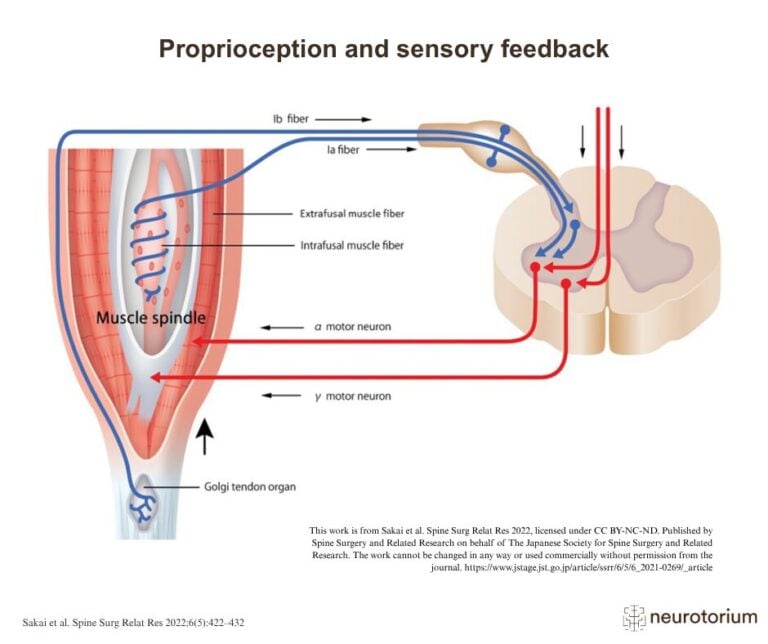
Controlled movement relies on sensory feedback, particularly proprioception (the sense of body position in space and movement).
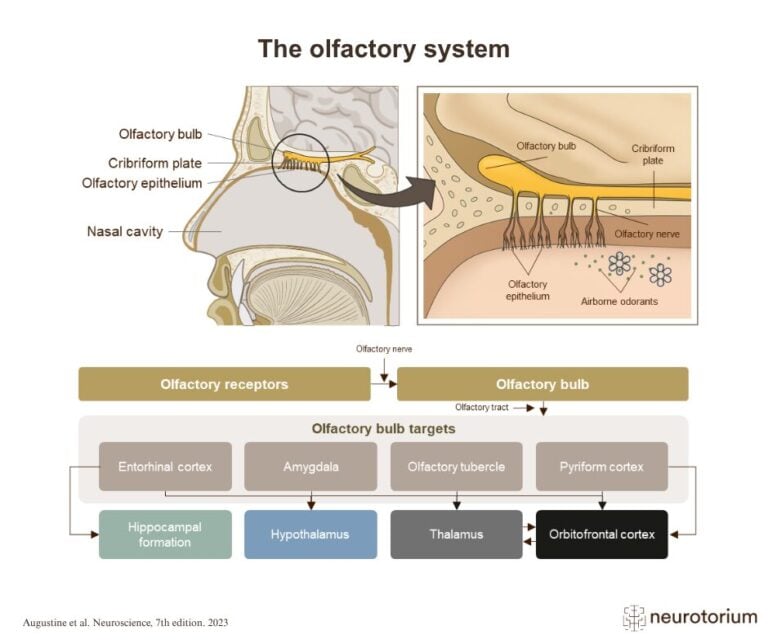
The olfactory system detects airborne odor molecules in the nasal cavity and transmits this information to the olfactory bulb. From there, signals are relayed to several brain regions involved in smell perception, memory, emotion, and behaviour.
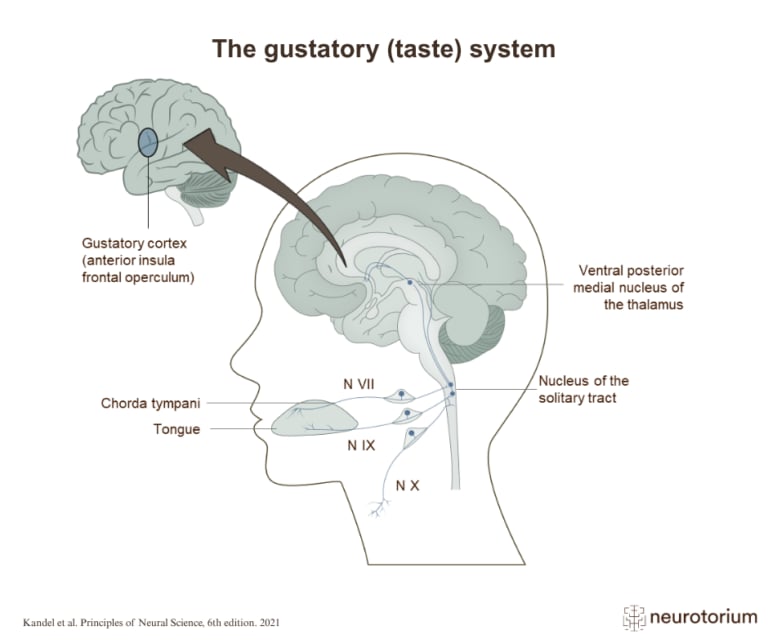
The gustatory system detects taste stimuli on the tongue and relays this information through brainstem and thalamic pathways to the gustatory cortex.