

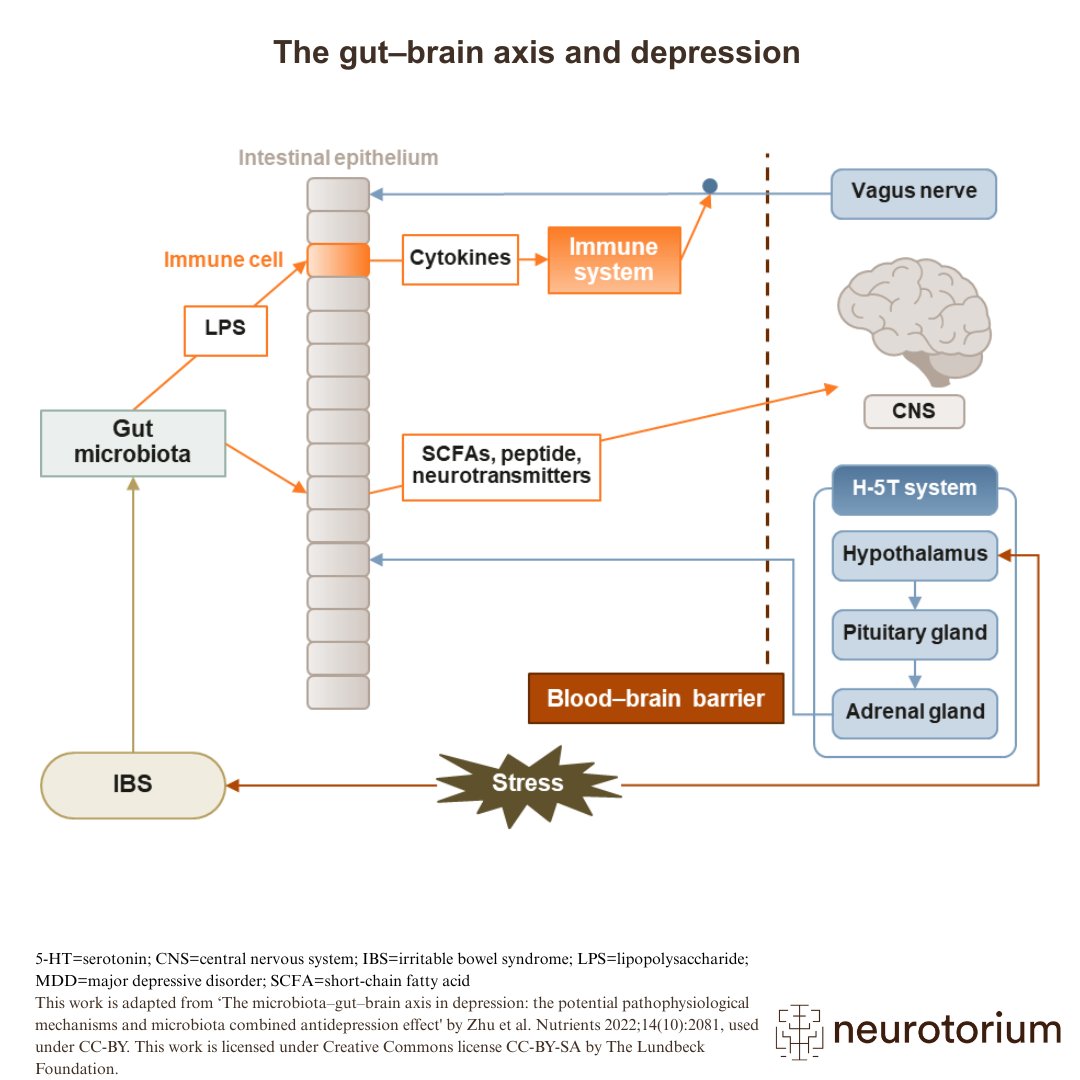
The bidirectional relationship between the gut microbiota and the brain has been implicated in many different diseases, including mood disorders and MDD.1 Bacteria in the gut can modulate inflammatory pathways (also implicated in depression), and can produce metabolites that then interact with the biochemistry of the body (e.g., butyrate).1
Analyses of the gut flora of people with depression have shown that there are differences in composition compared with control populations, including:2
- Higher levels of Alistipes and Parabacteroides species
- Lower levels of Prevotella species
Whilst it is known to be a factor in MDD, treatments that modulate or correct the molecular mechanisms that the gut flora disrupt in people with depression are still being researched2,3
MDD=major depressive disorder
Related content
Major Depressive Disorder (MDD) is a highly prevalent psychiatric condition with significant individual and socio-economic burden. Despite the broad availability of numerous effective therapeutic interventions, up to 30% of patients fail to achieve adequate symptom relief and are classified as having treatment-resistant depression (TRD). TRD represents a significant clinical challenge, affecting approximately 30% of individuals with MDD who fail to respond to at least two adequate antidepressant trials.
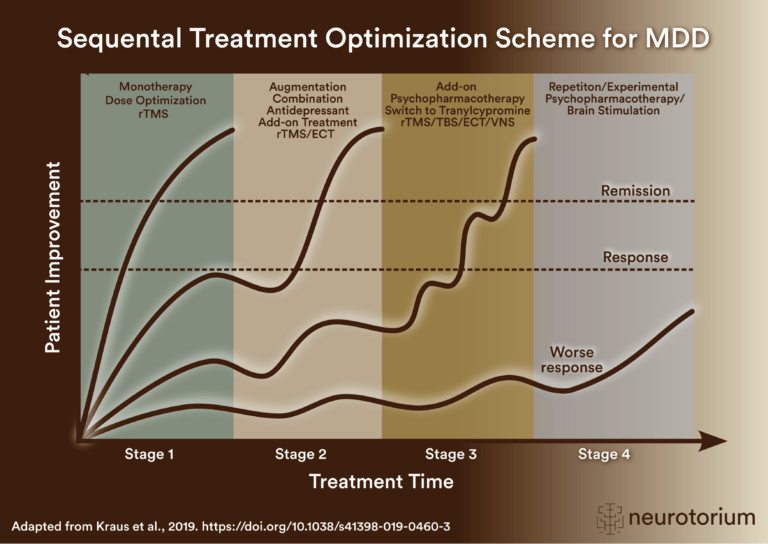
Sequential treatment optimization scheme for major depressive disorder generated according to international evidence.
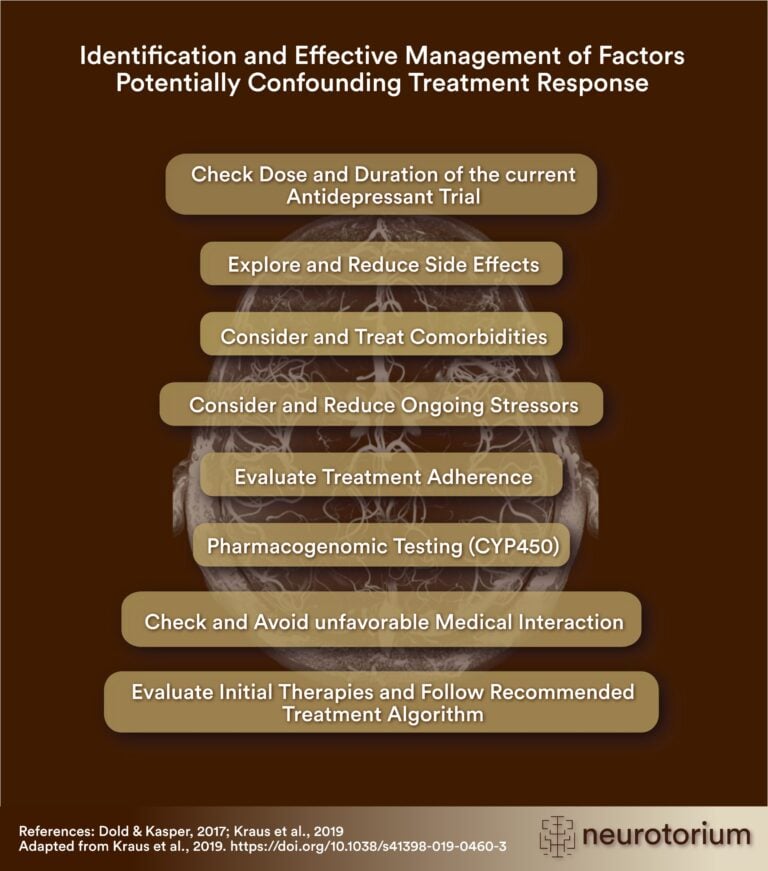
Key steps for managing factors that may confound antidepressant treatment response, including dose, side effects, comorbidities, stressors, adherence, pharmacogenomics, interactions, and treatment algorithms.