

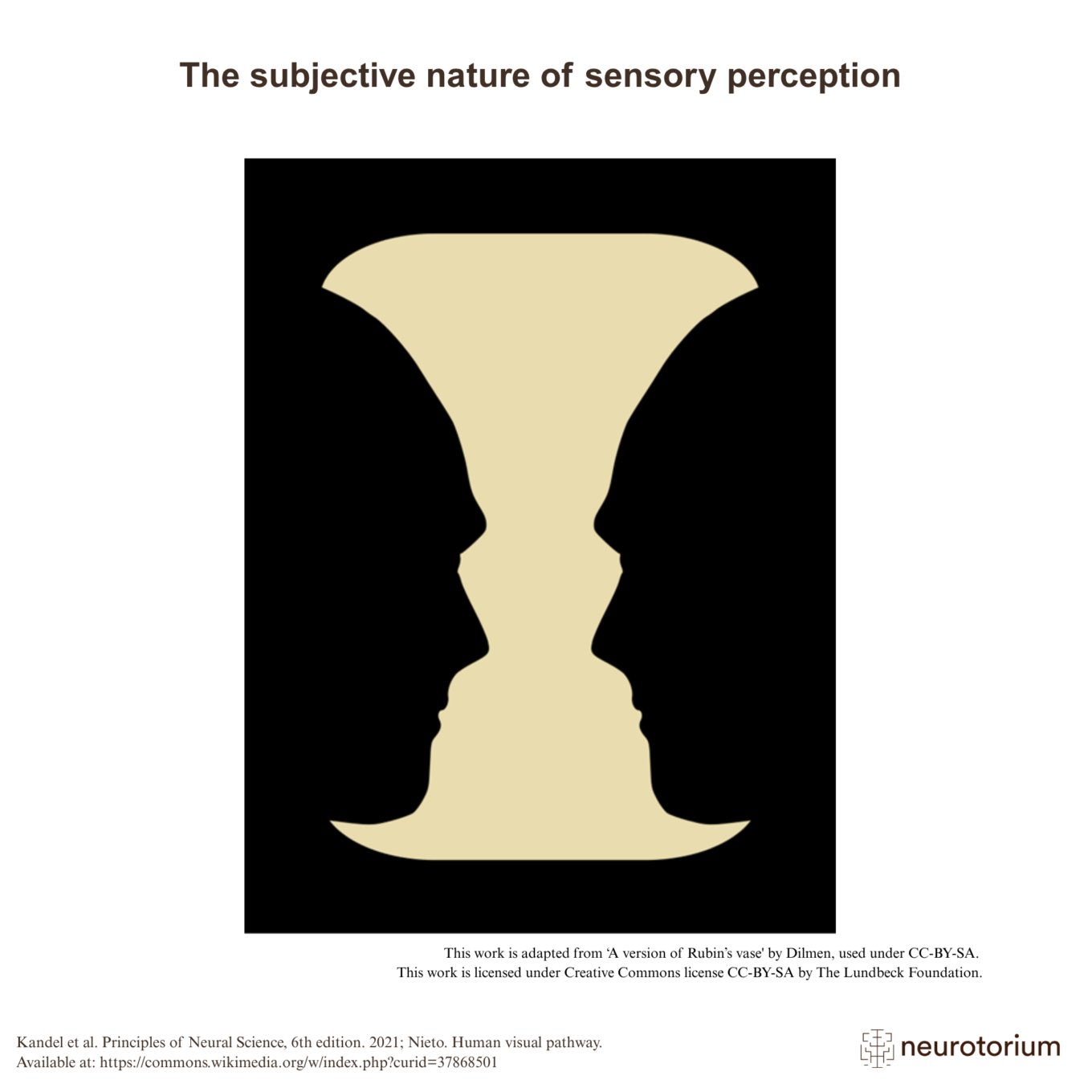
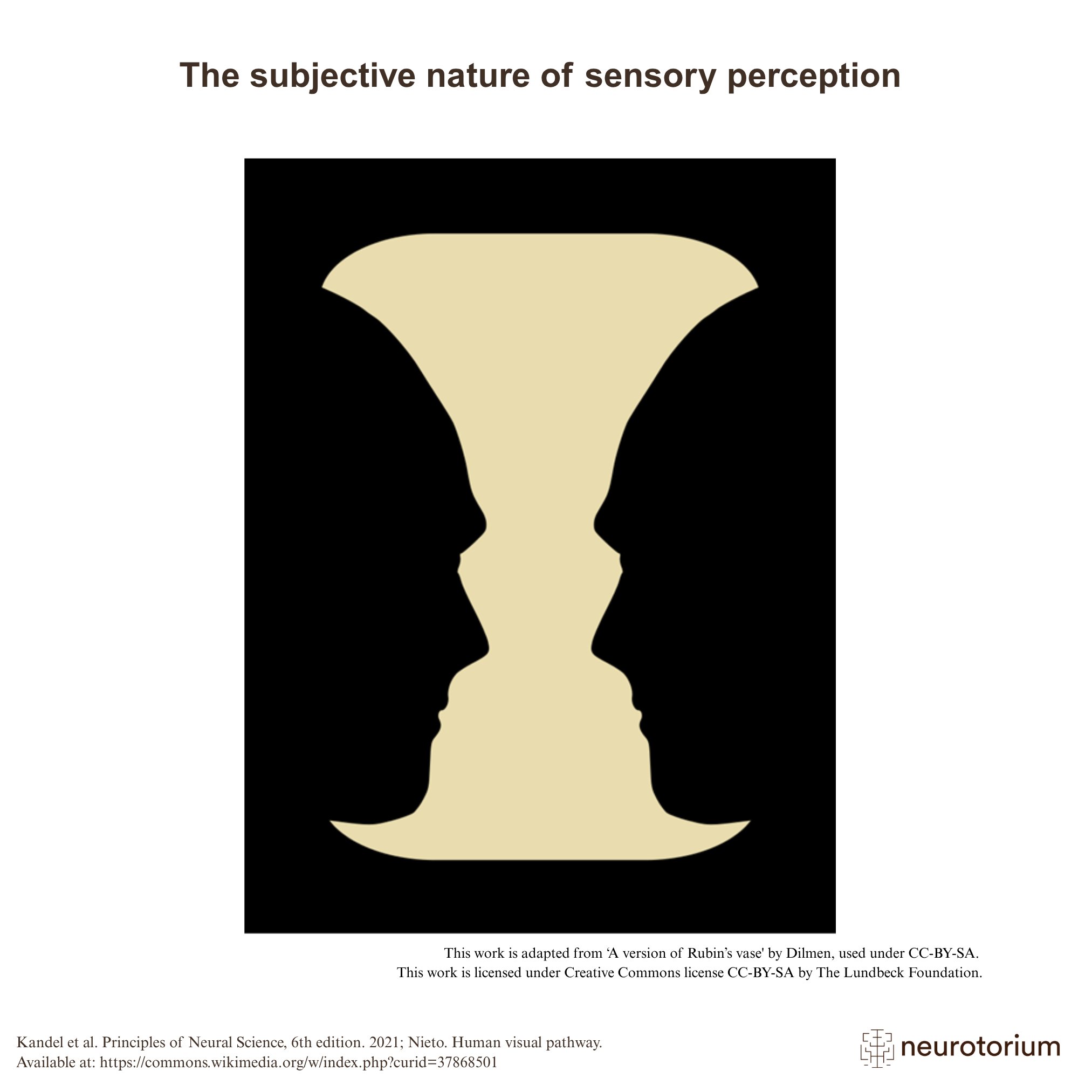
Interestingly, sensory information used to control actions is processed in neural pathways separate from the afferent pathways that contribute to conscious perception.1 For example, visual information seems to flow in two separate streams in the brain: a dorsal stream projecting to the posterior parietal lobe cortex is involved in the use of vision for action, while a ventral stream projecting to the inferotemporal cortex is instrumental in conscious visual perception.1 Damage to one does not have to impact the flow of sensory information in the other: research has shown that a person with a damaged ventral stream may be unable to indicate the position of a slot carved into a box either verbally or with their hand, but has no problem manoeuvring their hand appropriately to put a card through the slot.1
Related content
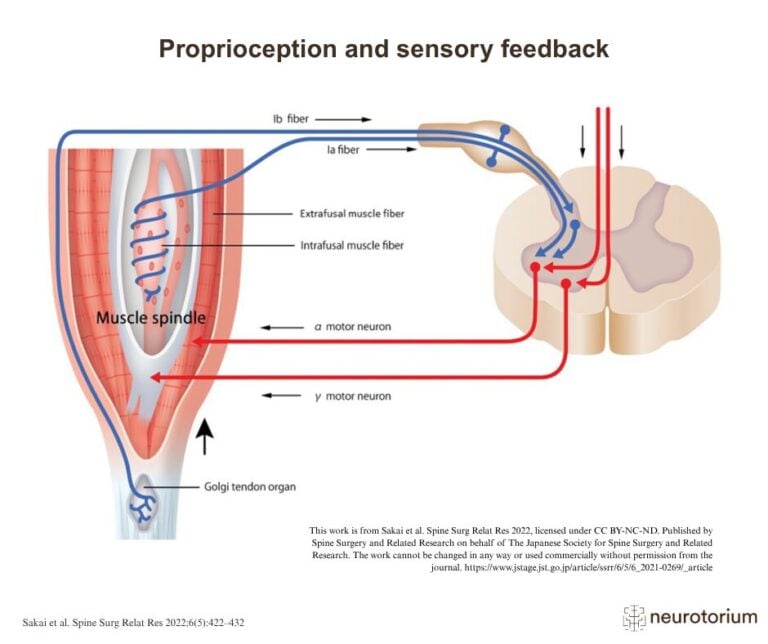
Controlled movement relies on sensory feedback, particularly proprioception (the sense of body position in space and movement).
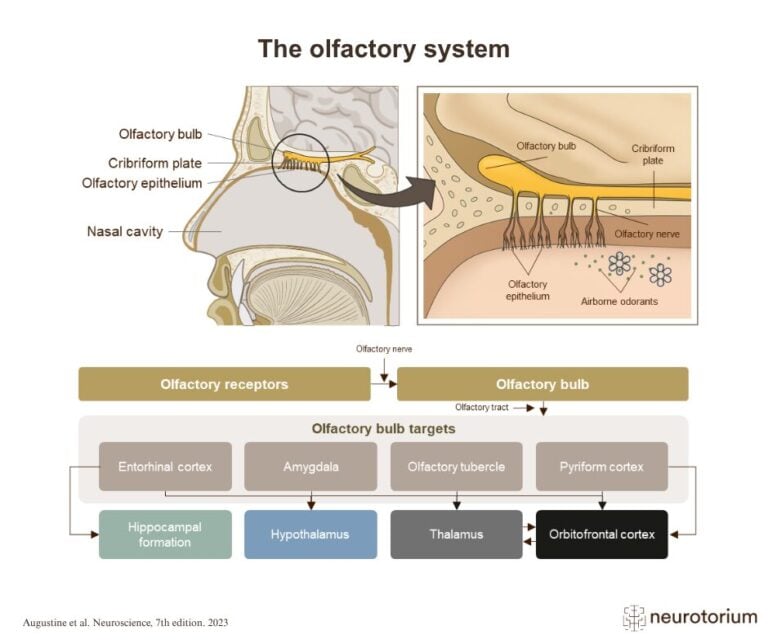
The olfactory system detects airborne odor molecules in the nasal cavity and transmits this information to the olfactory bulb. From there, signals are relayed to several brain regions involved in smell perception, memory, emotion, and behaviour.
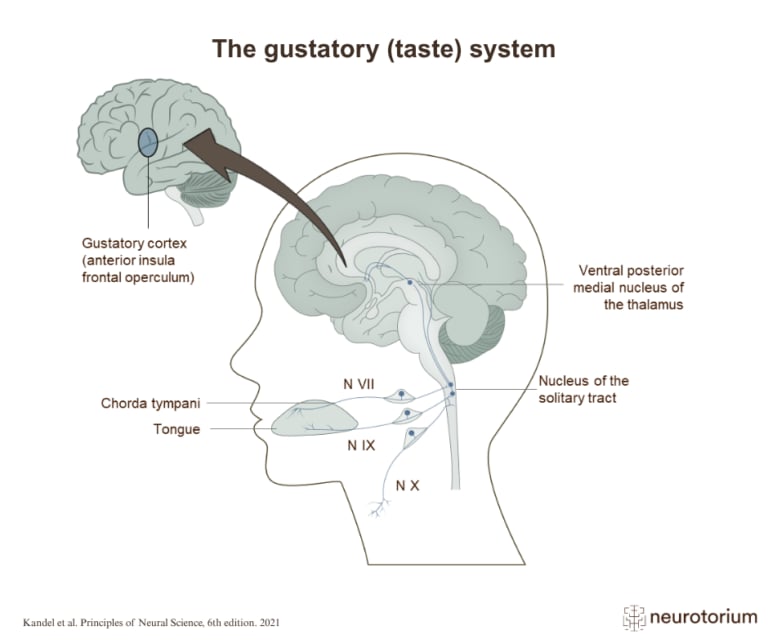
The gustatory system detects taste stimuli on the tongue and relays this information through brainstem and thalamic pathways to the gustatory cortex.