

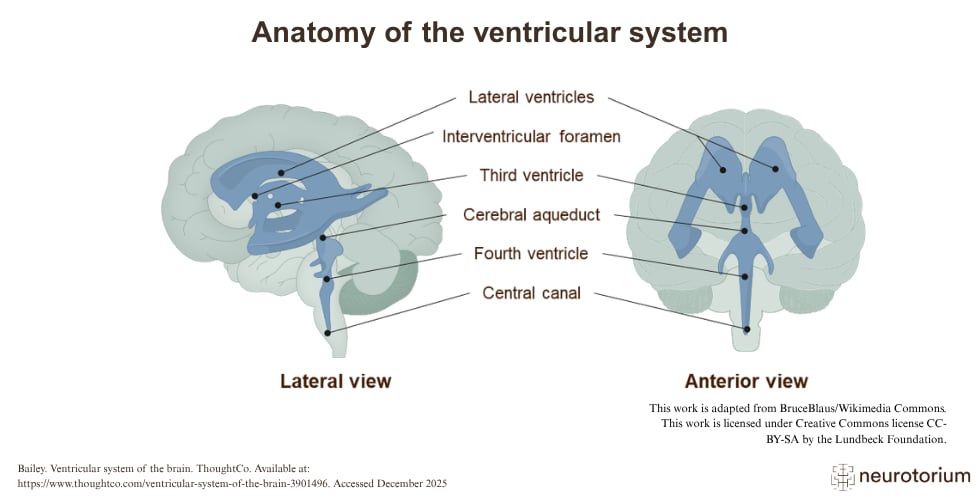
The ventricles of the brain are a series of interconnected, fluid-filled cavities. They form part of the ventricular system that produces and circulates cerebrospinal fluid (CSF)1. The choroid plexus is a network of specialised cells (ependymal cells) and blood vessels that is located within all the ventricles of the brain1,2
The primary function of the choroid plexus is to produce the CSF that circulates throughout the ventricular system and subarachnoid space of the brain and spinal cord. The choroid plexus is crucial for the regulation of the CSF, which protects and cushions the brain, maintains intracranial pressure, supplies nutrients, and removes waste from the CNS2
Related content
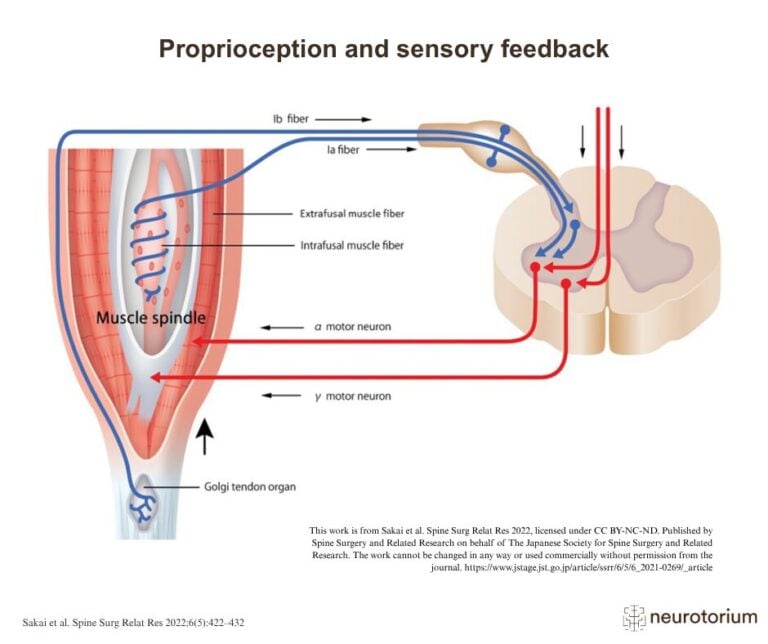
Controlled movement relies on sensory feedback, particularly proprioception (the sense of body position in space and movement).
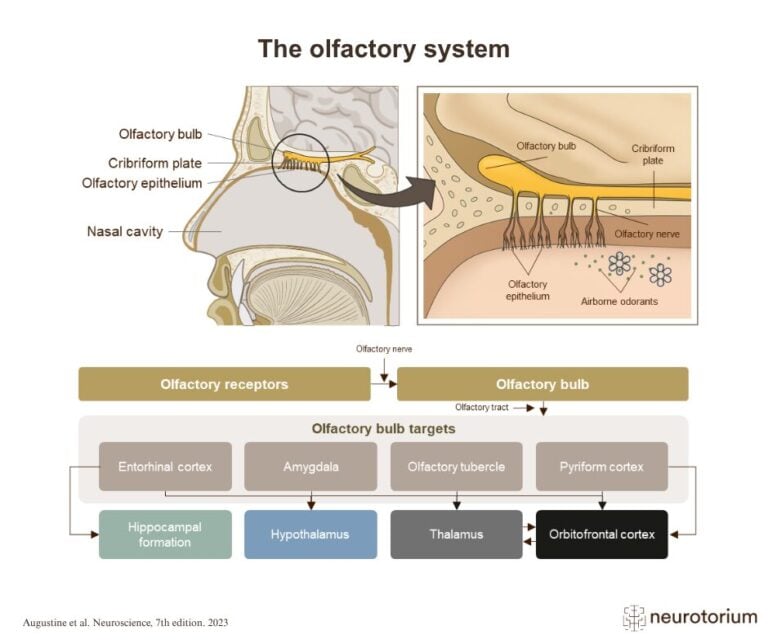
The olfactory system detects airborne odor molecules in the nasal cavity and transmits this information to the olfactory bulb. From there, signals are relayed to several brain regions involved in smell perception, memory, emotion, and behaviour.
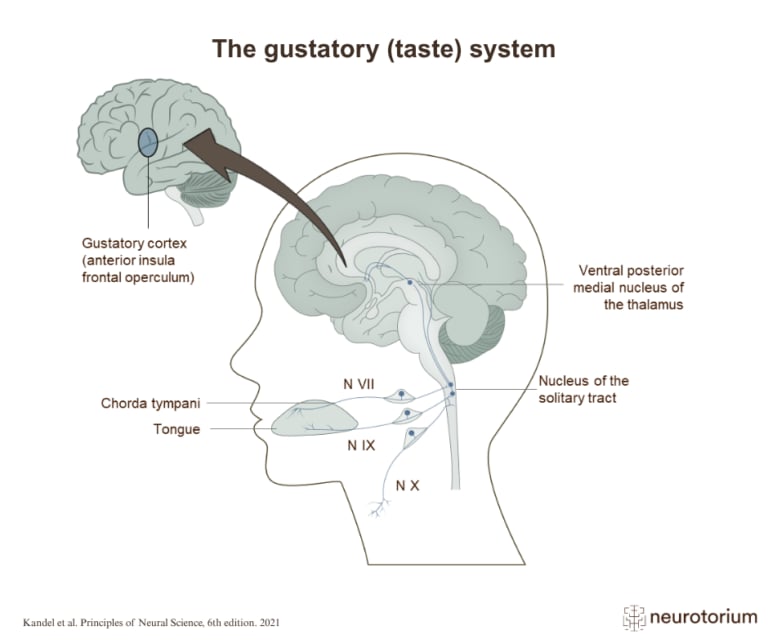
The gustatory system detects taste stimuli on the tongue and relays this information through brainstem and thalamic pathways to the gustatory cortex.