

In this video, Professor Dr. Oliver Howes explains that schizophrenia remains one of psychiatry’s most complex disorders due to its multifactorial etiology, involving interacting biological, psychological, and environmental factors. While genetic predisposition plays a significant role, it does not fully explain the condition. He also discusses recent refinements to the dopamine hypothesis, highlighting evidence that dopaminergic dysfunction does not account for all cases, with some schizophrenia subtypes involving minimal dopamine abnormalities.

Related content
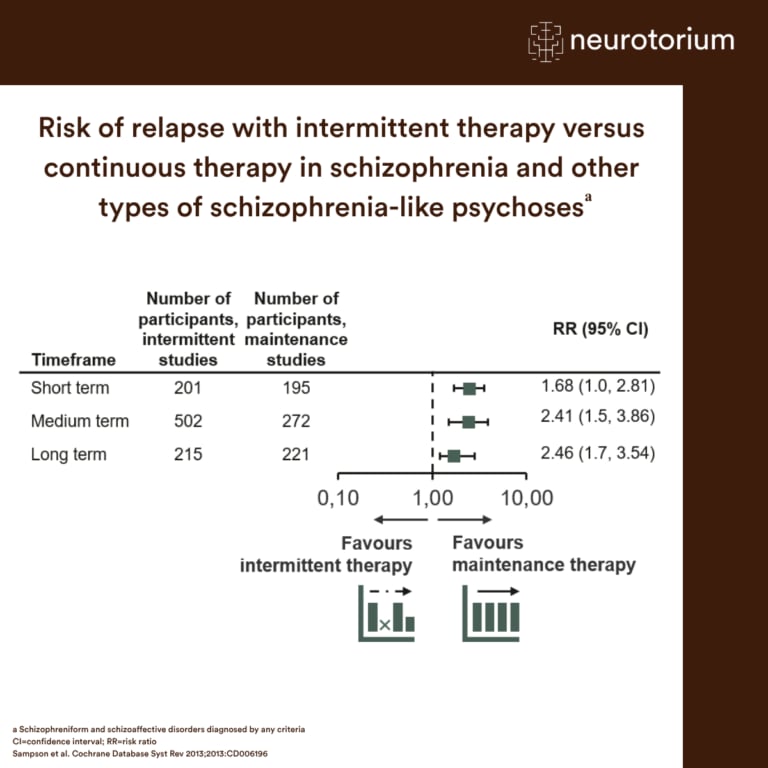
Continuous maintenance therapy is associated with a lower risk of relapse than intermittent treatment, supporting ongoing treatment strategies in schizophrenia and related psychotic disorders.
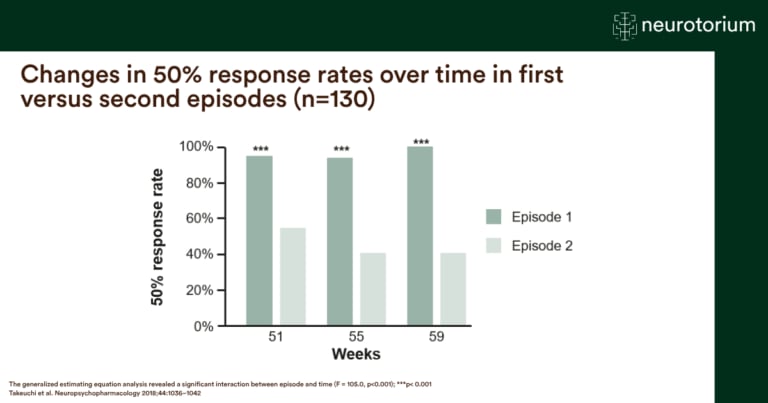
Treatment response tends to be higher during a first episode than during subsequent episodes, emphasizing the importance of early intervention and effective management.
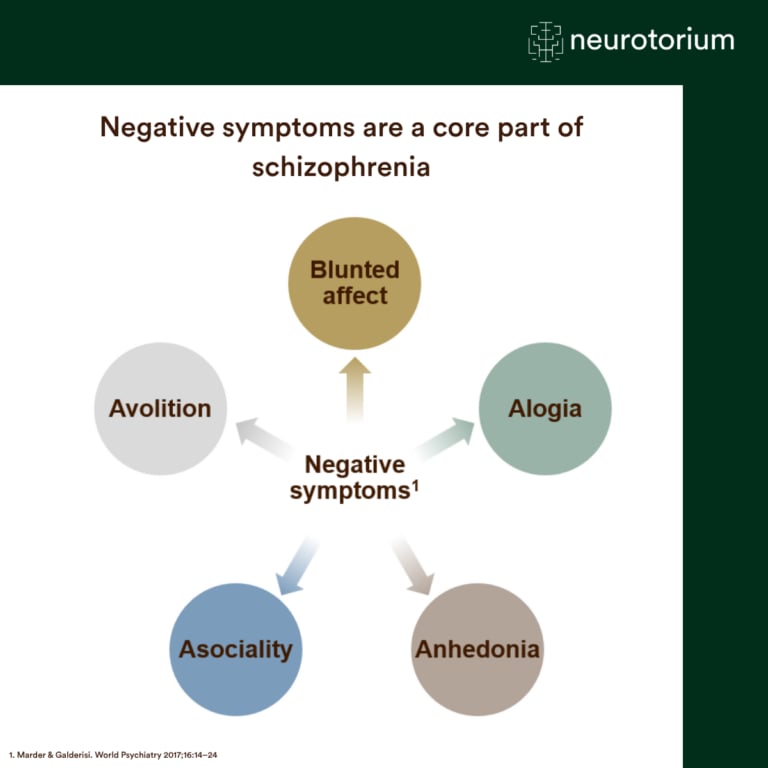
Negative symptoms are a core feature of schizophrenia and can have a profound impact on functioning, social relationships, and quality of life.