

Current diagnostic frameworks rely on symptom checklists that only capture advanced stages of schizophrenia, causing critical early intervention opportunities to be missed.
Professor Andrea Raballo argues that AI can address this gap by identifying subtle patterns in clinical records and conversational cues that human clinicians might overlook. Research cited shows that leading AI models match the diagnostic accuracy of top international psychiatrists, offering a powerful tool to reduce misdiagnosis and support earlier, more precise clinical decision-making.

Related content
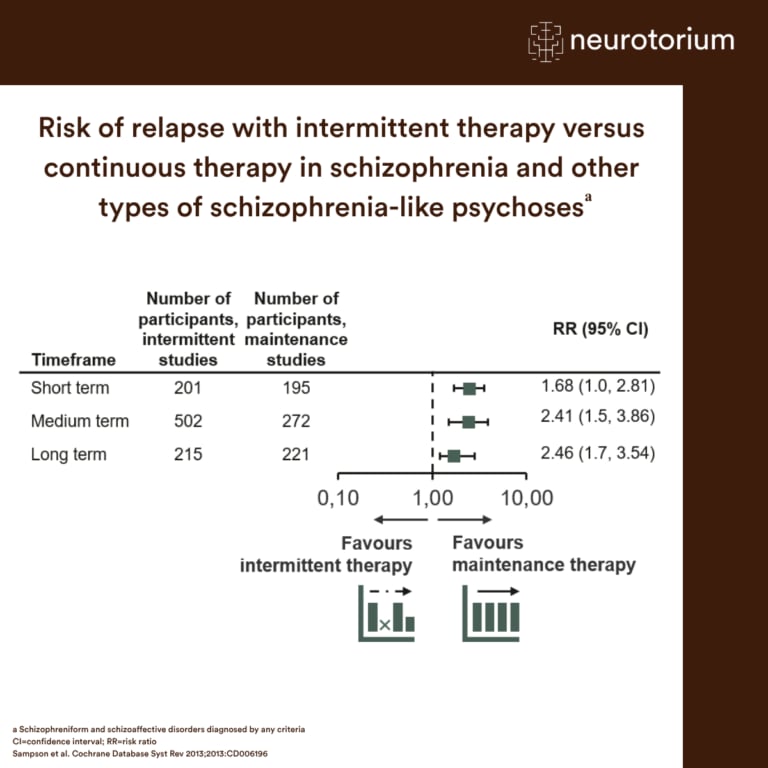
Continuous maintenance therapy is associated with a lower risk of relapse than intermittent treatment, supporting ongoing treatment strategies in schizophrenia and related psychotic disorders.
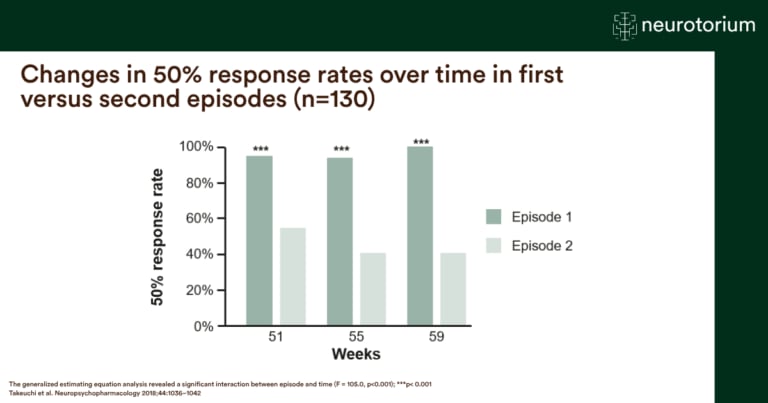
Treatment response tends to be higher during a first episode than during subsequent episodes, emphasizing the importance of early intervention and effective management.
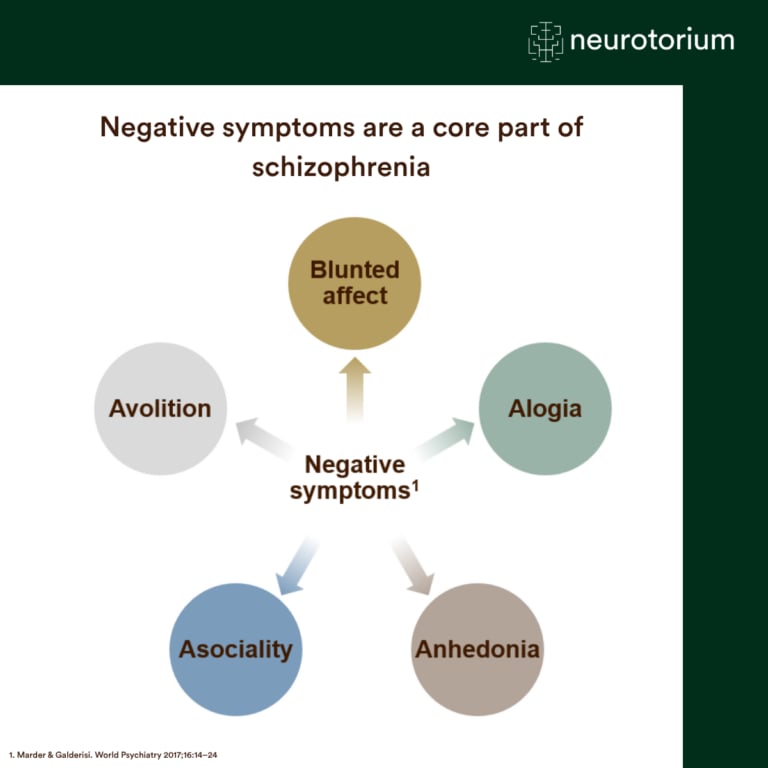
Negative symptoms are a core feature of schizophrenia and can have a profound impact on functioning, social relationships, and quality of life.