

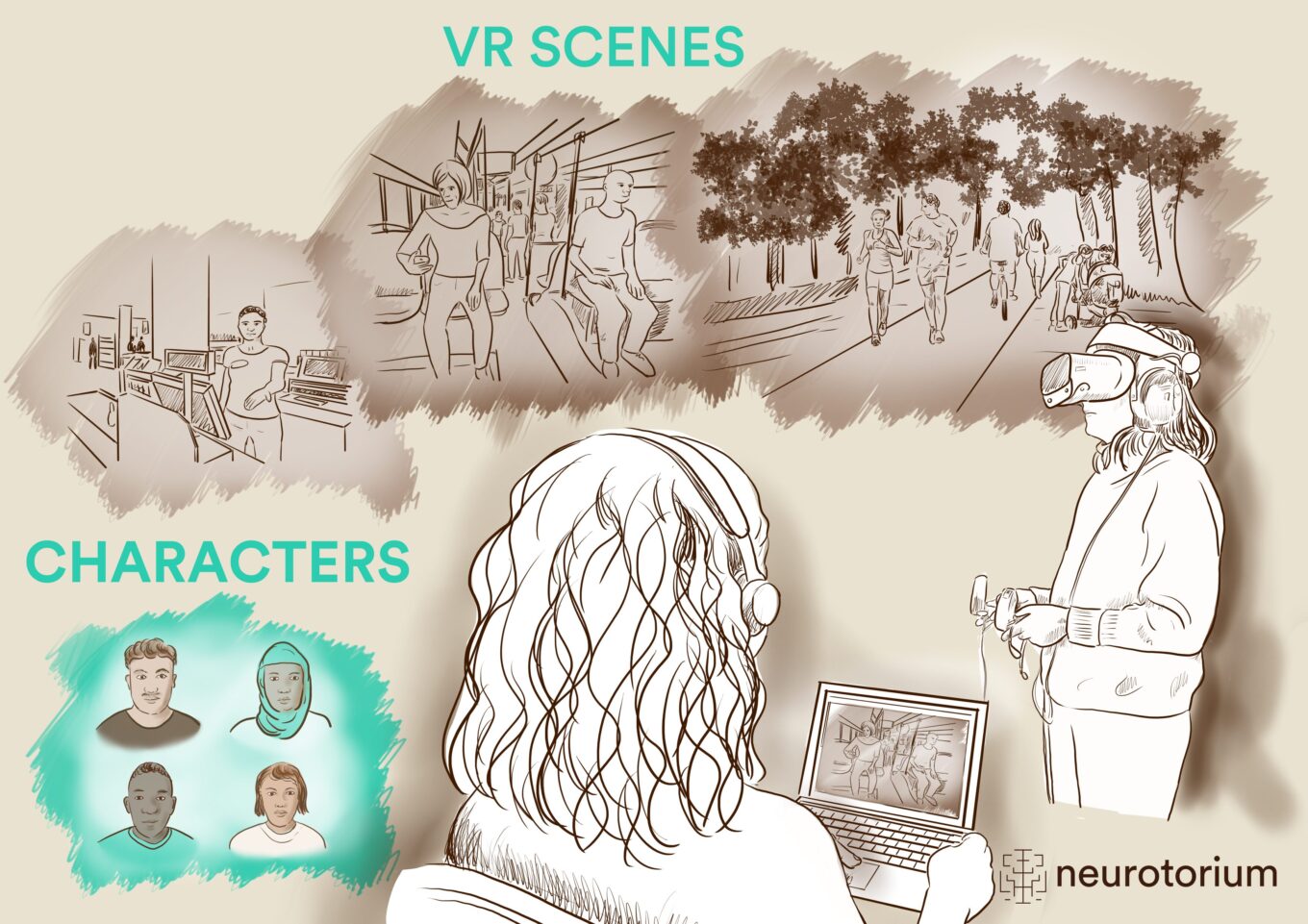
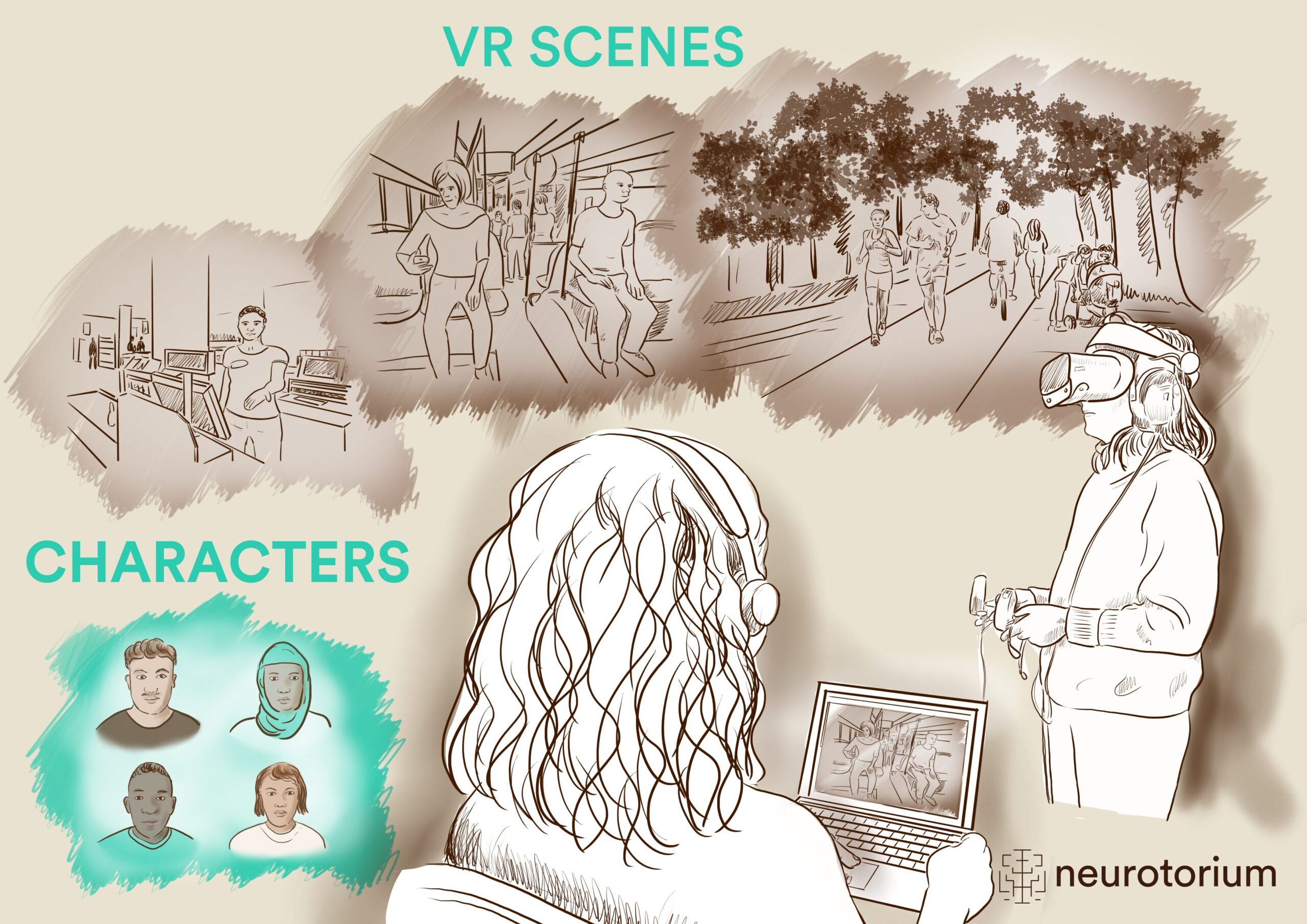
Virtual reality (VR) interventions are generally categorized as either non-immersive (computer-generated 2D environments viewed on a monitor) or semi/full-immersive (3D environments experienced through a head-mounted display), with the latter being more commonly used. Additionally, VR content can consist of either 360-degree videos or animated environments, with the flexibility of animated environments making them the preferred choice for most interventions. It is generally considered a safe intervention with minimal side-effects, which typically include motion-sickness or dizziness.1
Related content

Summary of the physiological changes associated with reproductive aging and the potential links between the menopausal transition and mental health conditions.
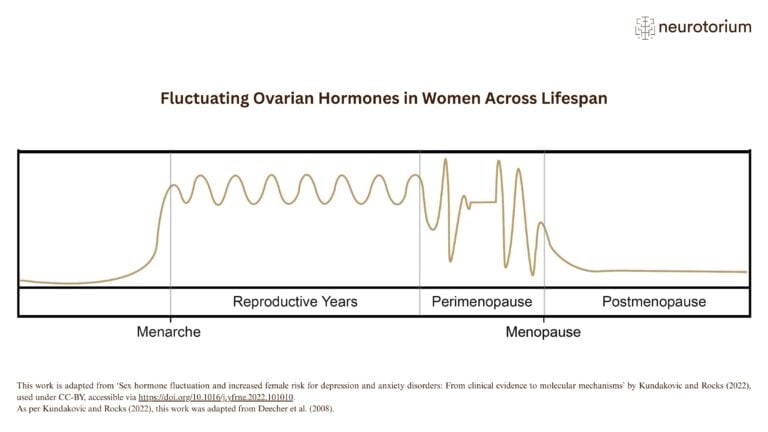
This illustration shows key phases of ovarian hormone fluctuation across the female lifespan, from menarche to menopause.
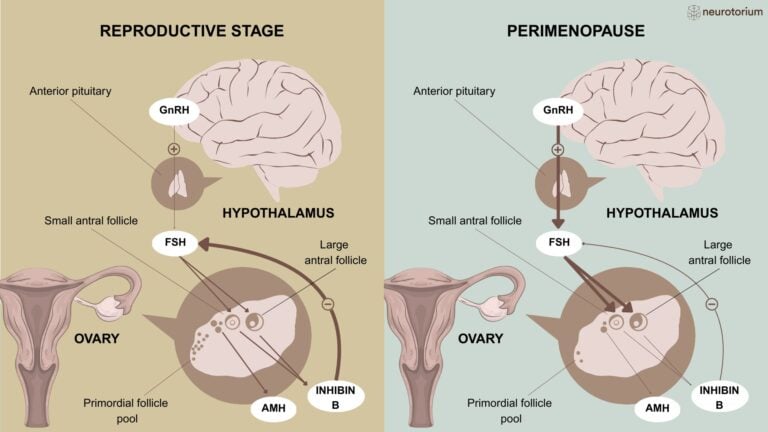
Physiological changes in endocrine function from the reproductive stage to perimenopause