

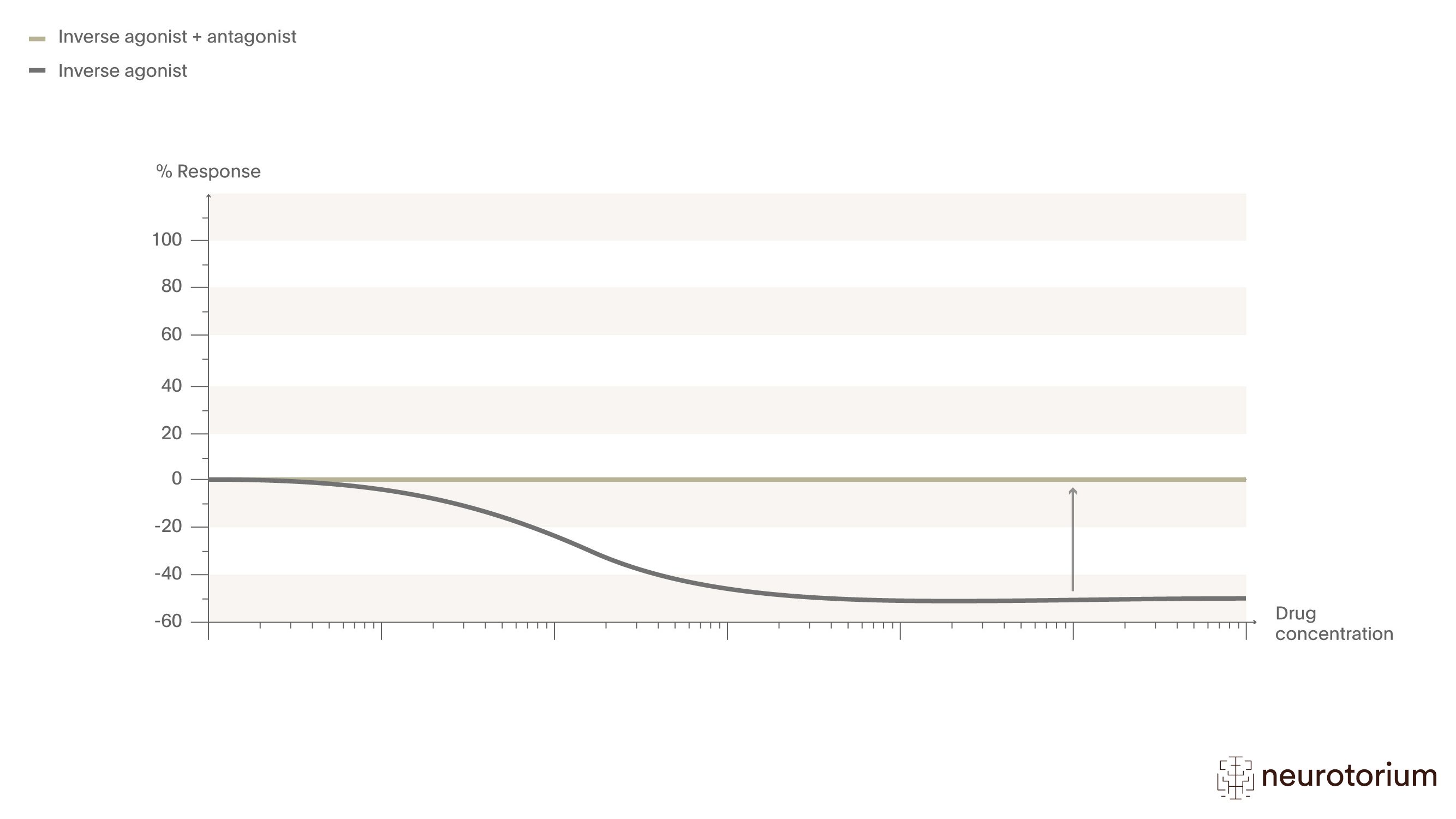
Agonists are drugs that mimic the effects of endogenous neurotransmitters. Inverse agonists are drugs that have the opposite action i.e. they have opposite effects to a neurotransmitter. Both agonist and inverse agonist effects are blocked by antagonists.
Related content

Advances in blood biomarkers are transforming the diagnosis and prognosis of Alzheimer’s disease, helping to assess pathology, disease progression, and co-existing pathologies.
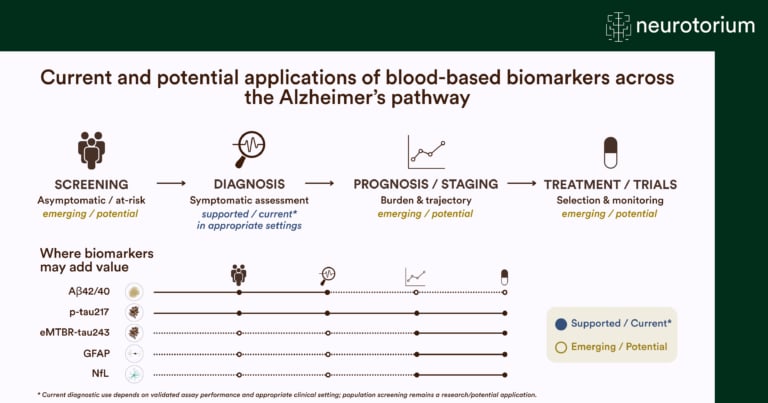
Overview of how blood-based biomarkers may support screening, diagnosis, staging, prognosis, and treatment decisions across the Alzheimer’s disease continuum.
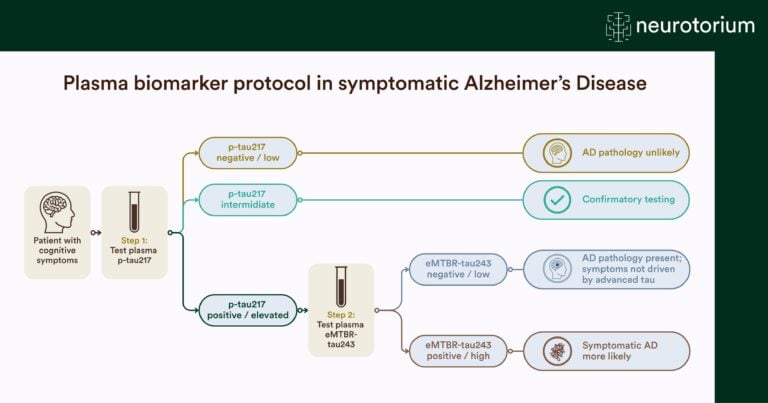
Overview of a plasma biomarker testing pathway for symptomatic Alzheimer’s disease, using p-tau217 and eMTBR-tau243 to guide diagnostic assessment and identify underlying pathology.