

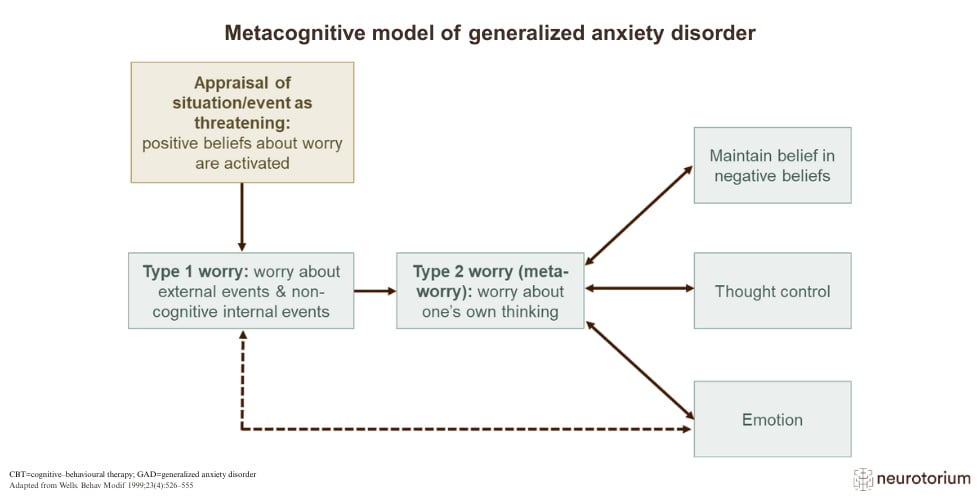
In the metacognitive model of GAD, worrying can be perceived positively (it serves a protective function or coping mechanism) or perceived negatively (beliefs about the uncontrollable nature of worrying and the dangerous consequences of worrying).1
Following the initial appraisal that a situation or event is threatening, positive beliefs are activated, and worry-based processing is selected as a means of continued appraisal and coping (Type 1 worry).1 This worry contributes to Type 2 worry (meta-worry), which increases the individual’s anxiety responses.1
Attempts to control or suppress worrying thoughts produce further intrusions, and in the absence of a catastrophe occurring, the individual attributes this to their thought control and avoidance behaviours.1
CBT=cognitive–behavioural therapy; GAD=generalized anxiety disorder
Related content

Decades of twin and family research have established that anxiety disorders run in families and are meaningfully influenced by genetic factors. Family and twin studies suggest an increased recurrence risk for first degree relatives of patients with anxiety to develop any anxiety disorders.
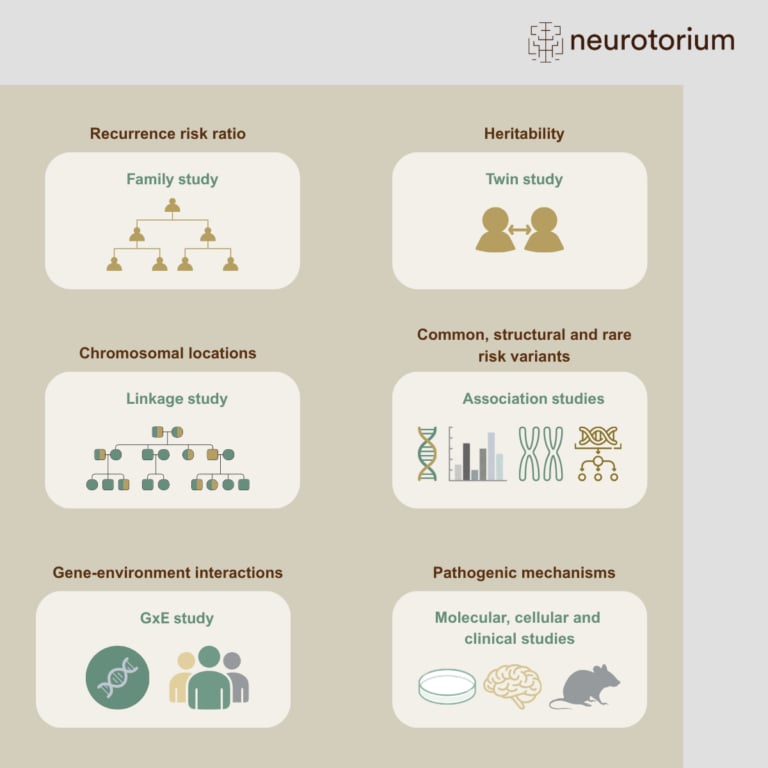
Family and twin studies estimate recurrence risk and heritability, showing that anxiety disorders aggregate in families and have a moderate genetic component.
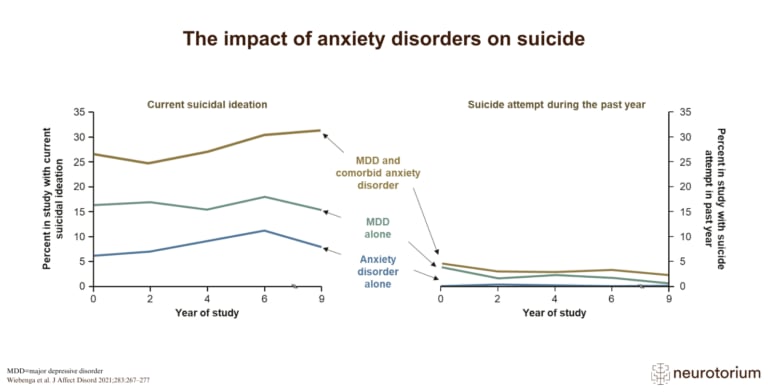
Suicidal ideation is far more common than attempts in people with anxiety or depression, especially with comorbid disorders and severe depression.