


Images
Filter
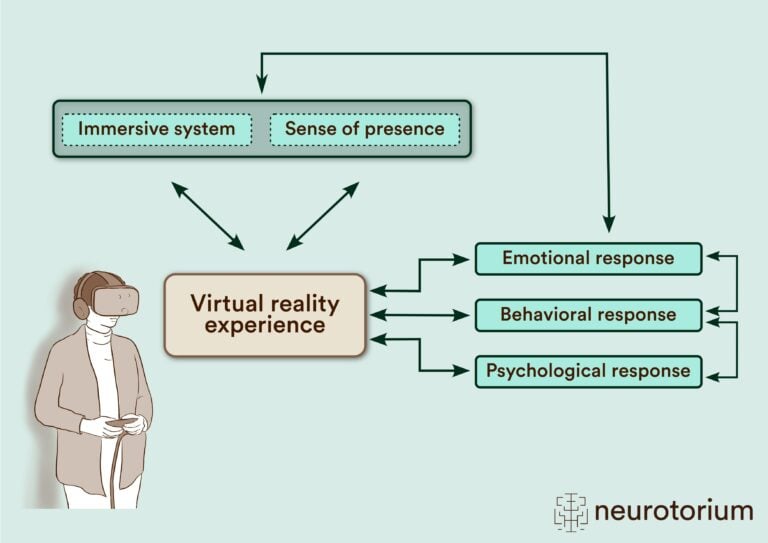
Virtual reality offers a controlled way to trigger and study anxiety responses. This diagram shows how an immersive system and the sense of presence it creates shape emotional, behavioral, and psychological reactions, feeding back into the VR experience itself.
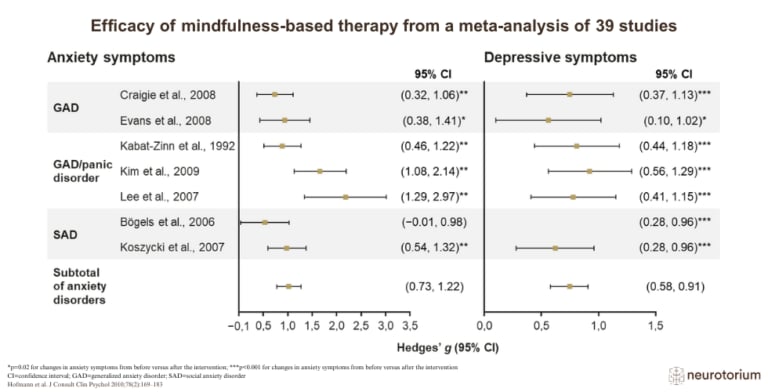
This forest plot from a meta-analysis of 39 studies compares mindfulness effect sizes across individual trials for both anxiety and depressive symptoms, showing consistently favorable results across GAD, panic disorder, and social anxiety disorder.
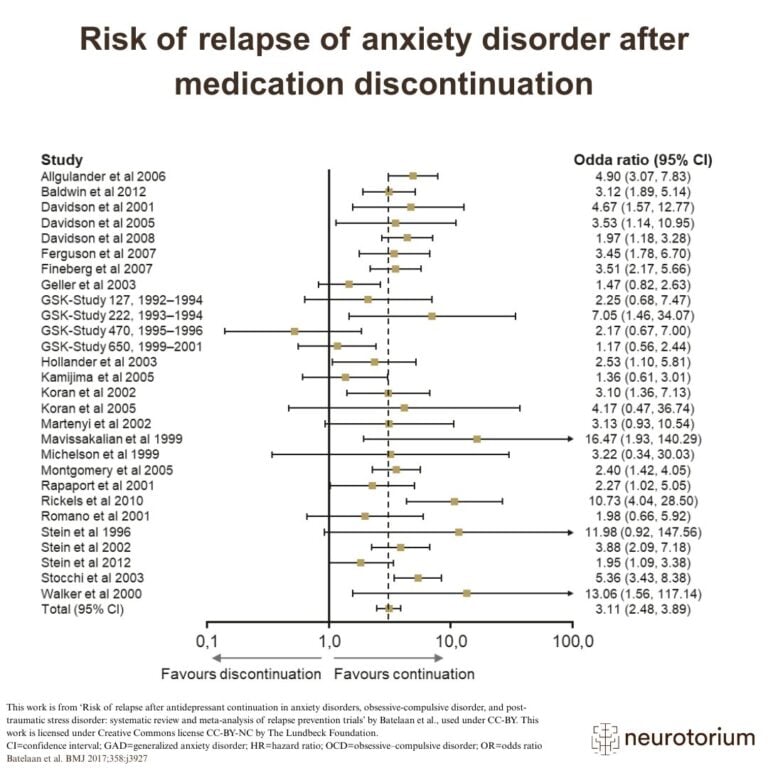
Stopping medication too early can carry a cost. This forest plot from a meta-analysis of 28 studies shows discontinuing antidepressants significantly raises relapse risk across anxiety disorders.
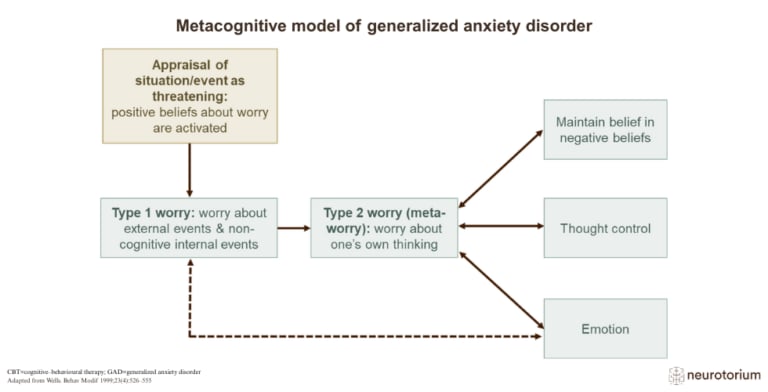
This flowchart illustrates the metacognitive model of GAD, tracing how threat appraisal triggers type 1 worry, which feeds into type 2 meta-worry, reinforcing negative beliefs and heightened emotion.
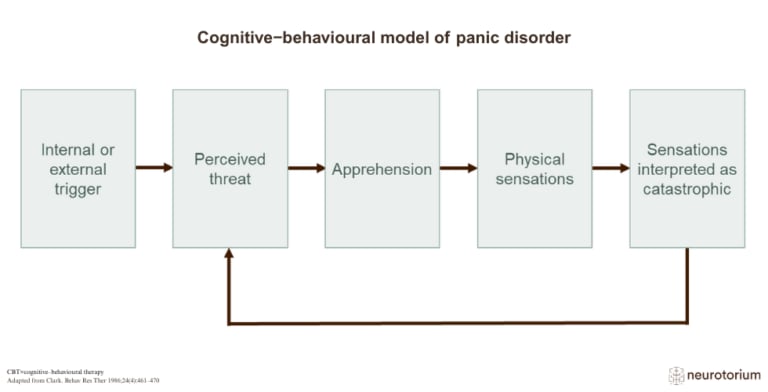
This flowchart illustrates the cognitive behavioural model of panic disorder, showing how a trigger leads to perceived threat, apprehension, and physical sensations that are interpreted catastrophically, fueling a self-reinforcing cycle.
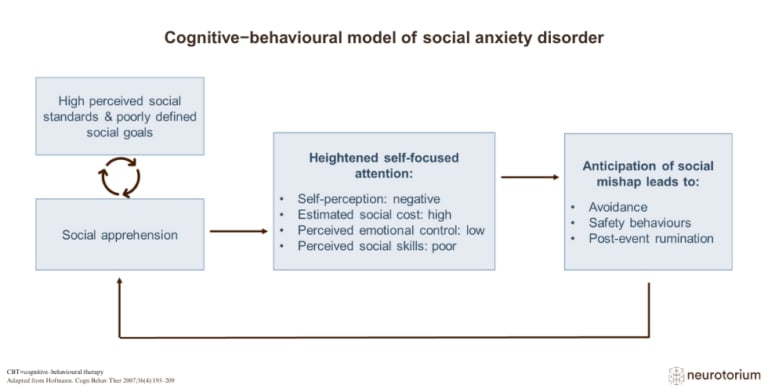
This flowchart illustrates the cognitive behavioural model of social anxiety disorder, showing how high perceived social standards and social apprehension drive self-focused attention, leading to avoidance, safety behaviours, and post-event rumination.
No results matched your search.
Please try again.