


Images
Filter
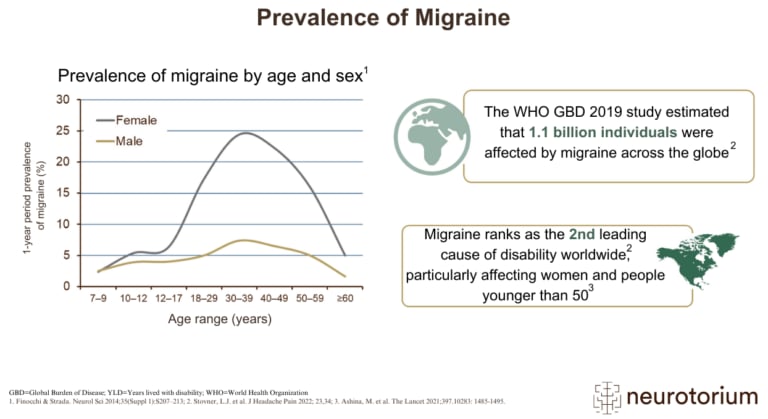
Migraine affects an estimated 1.1 billions worldwide and ranks as the 2nd leading cause of disability, while being the leading among young adults.
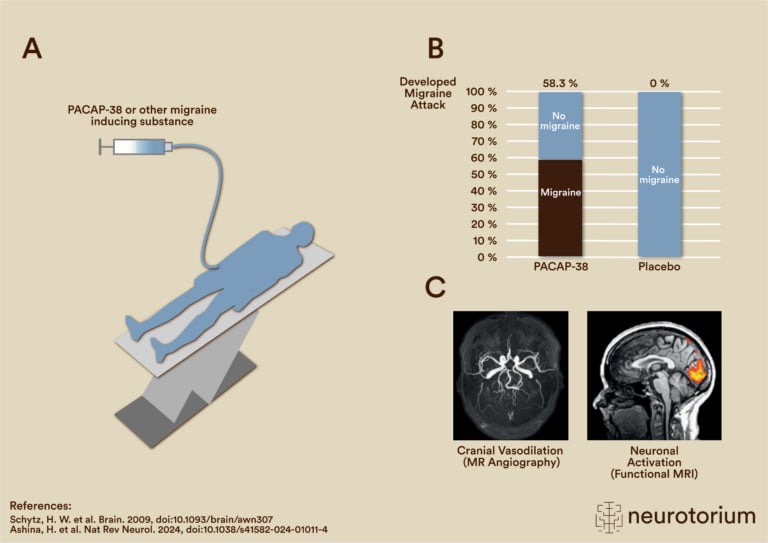
In human models of migraine, a suspected pharmacological migraine trigger is administered either orally or via infusion to a participant with migraine or a healthy volunteer, typically within a double-blinded, randomized, placebo-controlled design
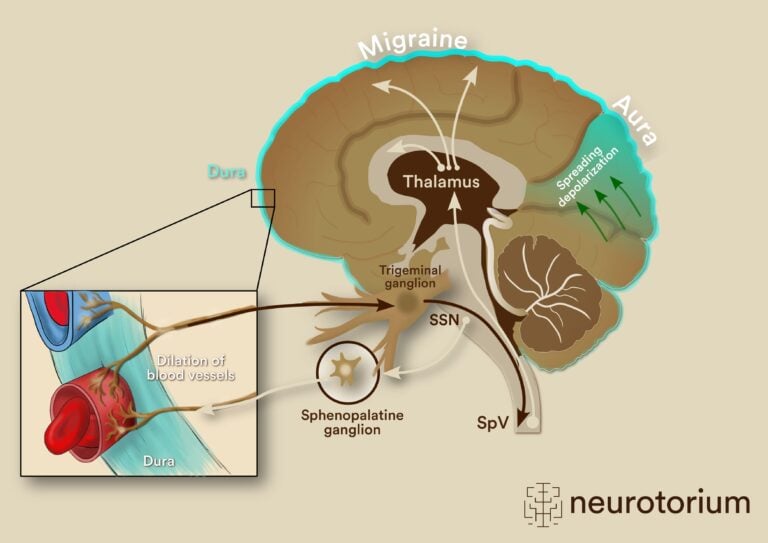
The trigeminovascular system is recognized as the anatomical and physiological substrate of migraine
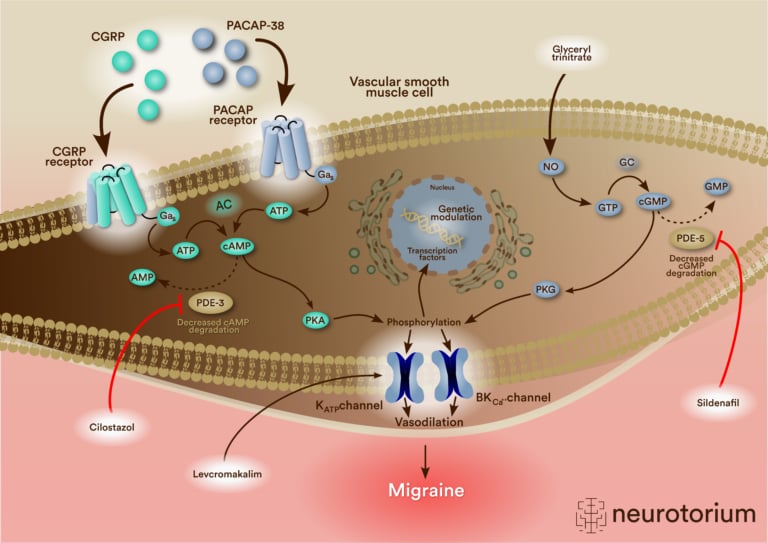
Evidence from human models of migraine as well as other lines of research suggest a putative model for the genesis of migraine attacks
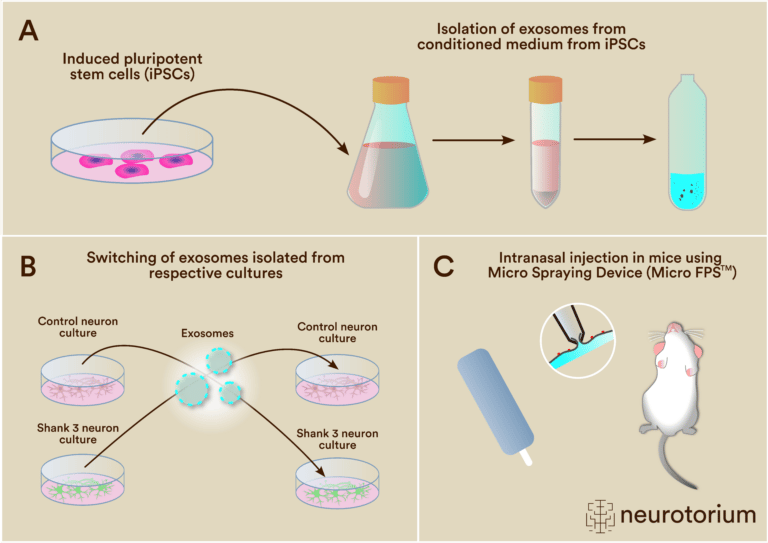
This highlights the therapeutic potential of exosomes in neurodevelopmental disorders, offering a promising avenue for non-invasive treatments
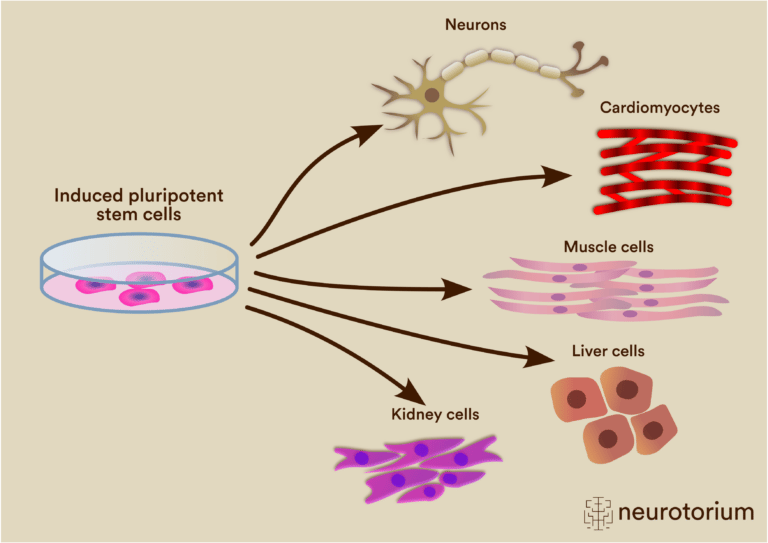
A diagram illustrating the differentiation potential of induced pluripotent stem cells (iPSCs)
No results matched your search.
Please try again.