

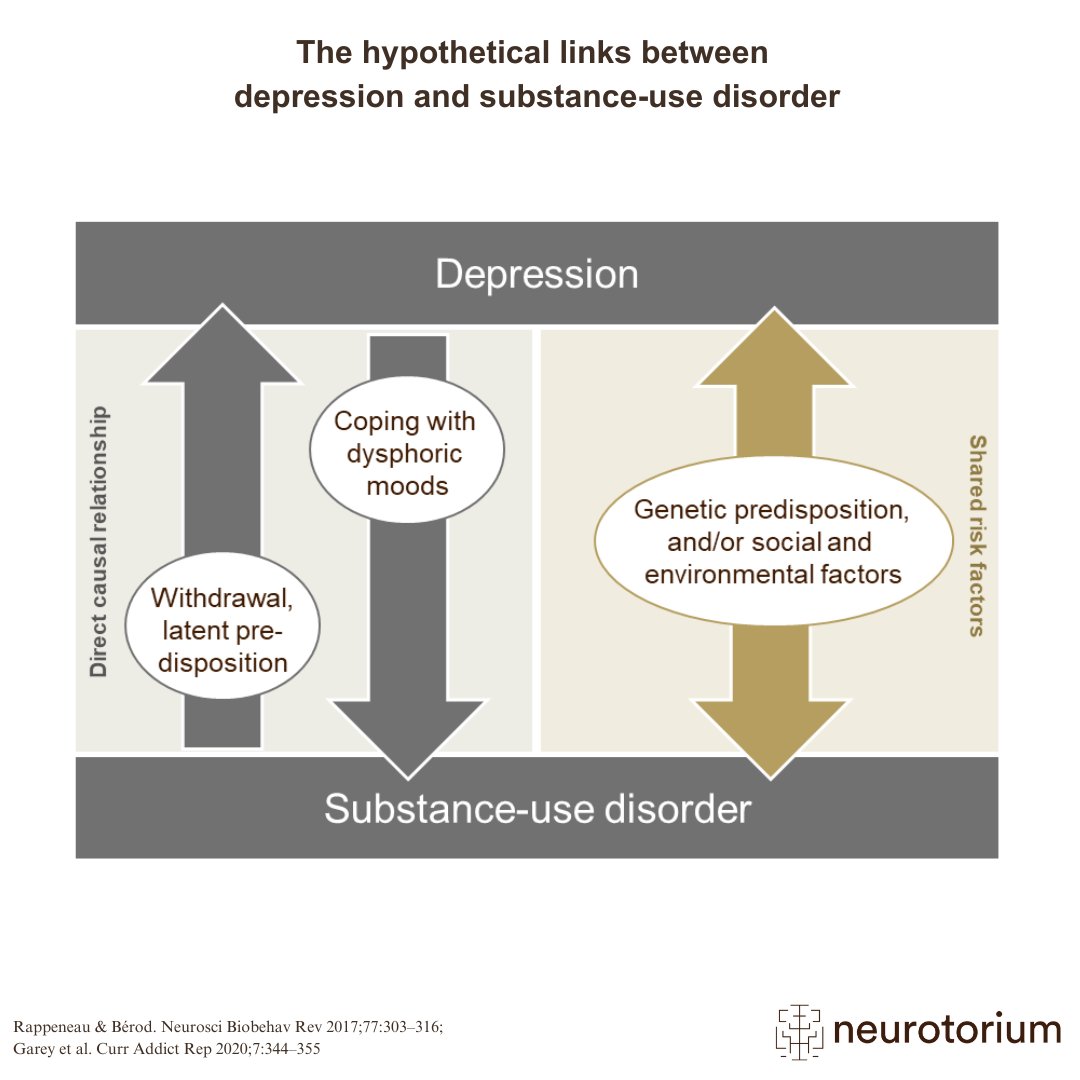
Several lines of evidence have shown that patients with depression have higher rates of substance-use disorders than the general population1,2
The presence of a major depressive episode increases the risk of drug dependence by 4.3 times,3 however, the relationship between substance-use disorder and MDD is bidirectional4
One meta-analysis, including 48 studies and 348,550 people, found a prevalence of substance-use disorder in men with MDD of 36%, and in women of 19%5
In an analysis of the STAR*D study data, patients with MDD and comorbid substance-use disorder were more likely to:6
- Have earlier onset of depression
- Experience greater depressive symptomatology
- Experience greater functional impairment
- Have a greater suicide risk
MDD=major depressive disorder; STAR*D=Sequenced Treatment Alternatives to Relieve Depression
Related content

Major Depressive Disorder (MDD) is a highly prevalent psychiatric condition with significant individual and socio-economic burden. Despite the broad availability of numerous effective therapeutic interventions, up to 30% of patients fail to achieve adequate symptom relief and are classified as having treatment-resistant depression (TRD). TRD represents a significant clinical challenge, affecting approximately 30% of individuals with MDD who fail to respond to at least two adequate antidepressant trials.
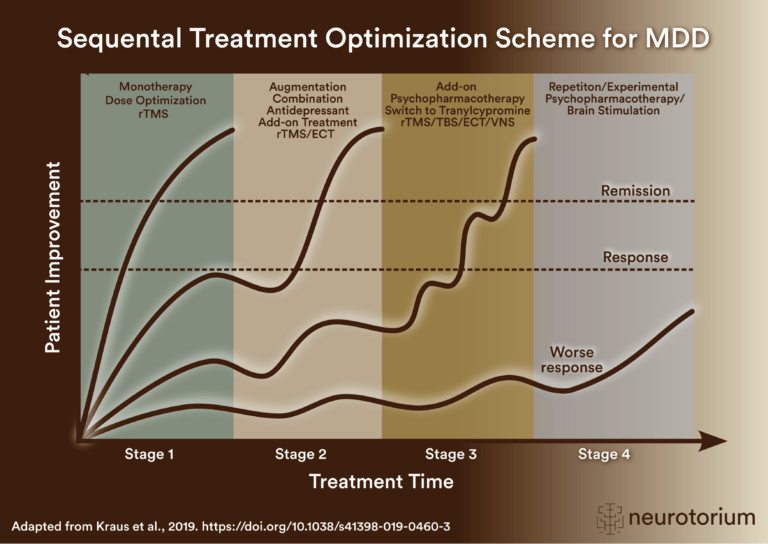
Sequential treatment optimization scheme for major depressive disorder generated according to international evidence.
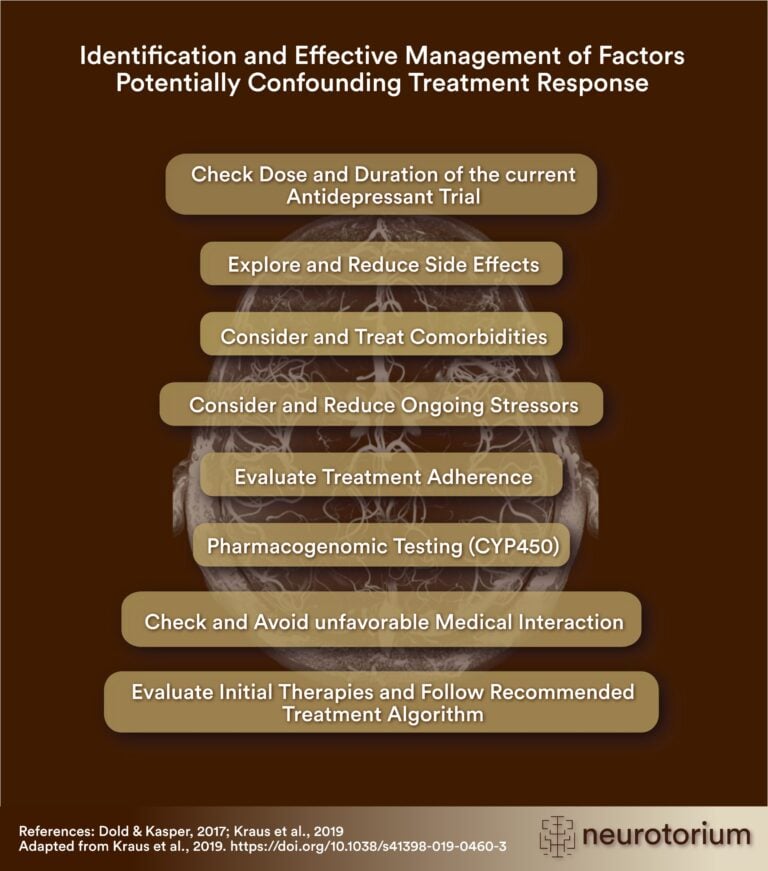
Key steps for managing factors that may confound antidepressant treatment response, including dose, side effects, comorbidities, stressors, adherence, pharmacogenomics, interactions, and treatment algorithms.