

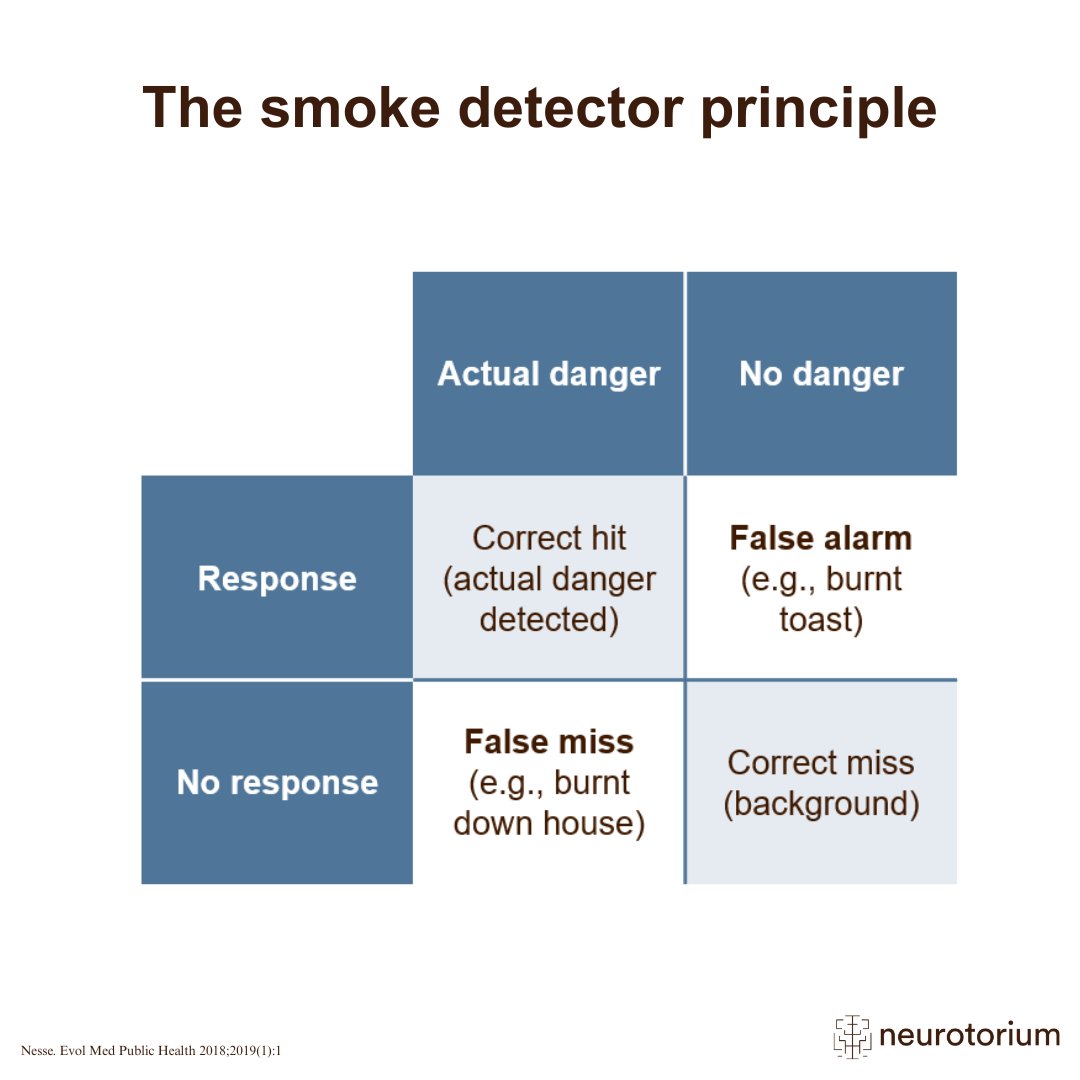
The smoke detector principle tries to explain why systems that have evolved to protect us can give false flags and can lead to excessive and seemingly damaging responses. Smoke detectors (which are like the body’s protective systems) can often cause false alarms (e.g., burnt toast) that cause minor annoyances. However, if these systems miss a true positive, then the consequences can be dire (e.g., a burnt down house). Anxiety and fear responses, similar to inflammatory responses, are like the smoke detector signals – it is safer to avoid missing true positives and accept the occasional false positive than it is to miss a true positive, leading to many false alarms.
Related content

Decades of twin and family research have established that anxiety disorders run in families and are meaningfully influenced by genetic factors. Family and twin studies suggest an increased recurrence risk for first degree relatives of patients with anxiety to develop any anxiety disorders.
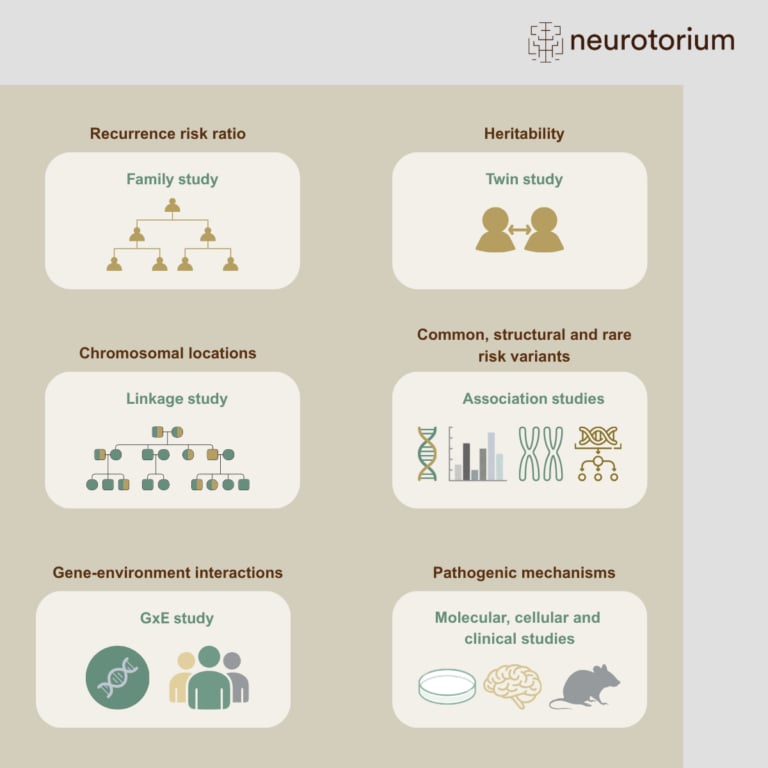
Family and twin studies estimate recurrence risk and heritability, showing that anxiety disorders aggregate in families and have a moderate genetic component.
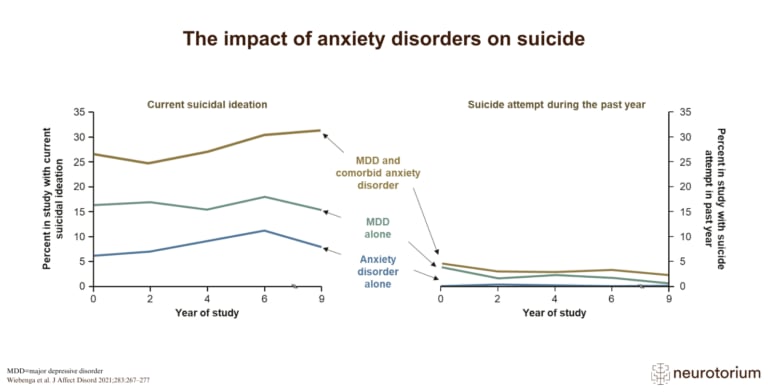
Suicidal ideation is far more common than attempts in people with anxiety or depression, especially with comorbid disorders and severe depression.