

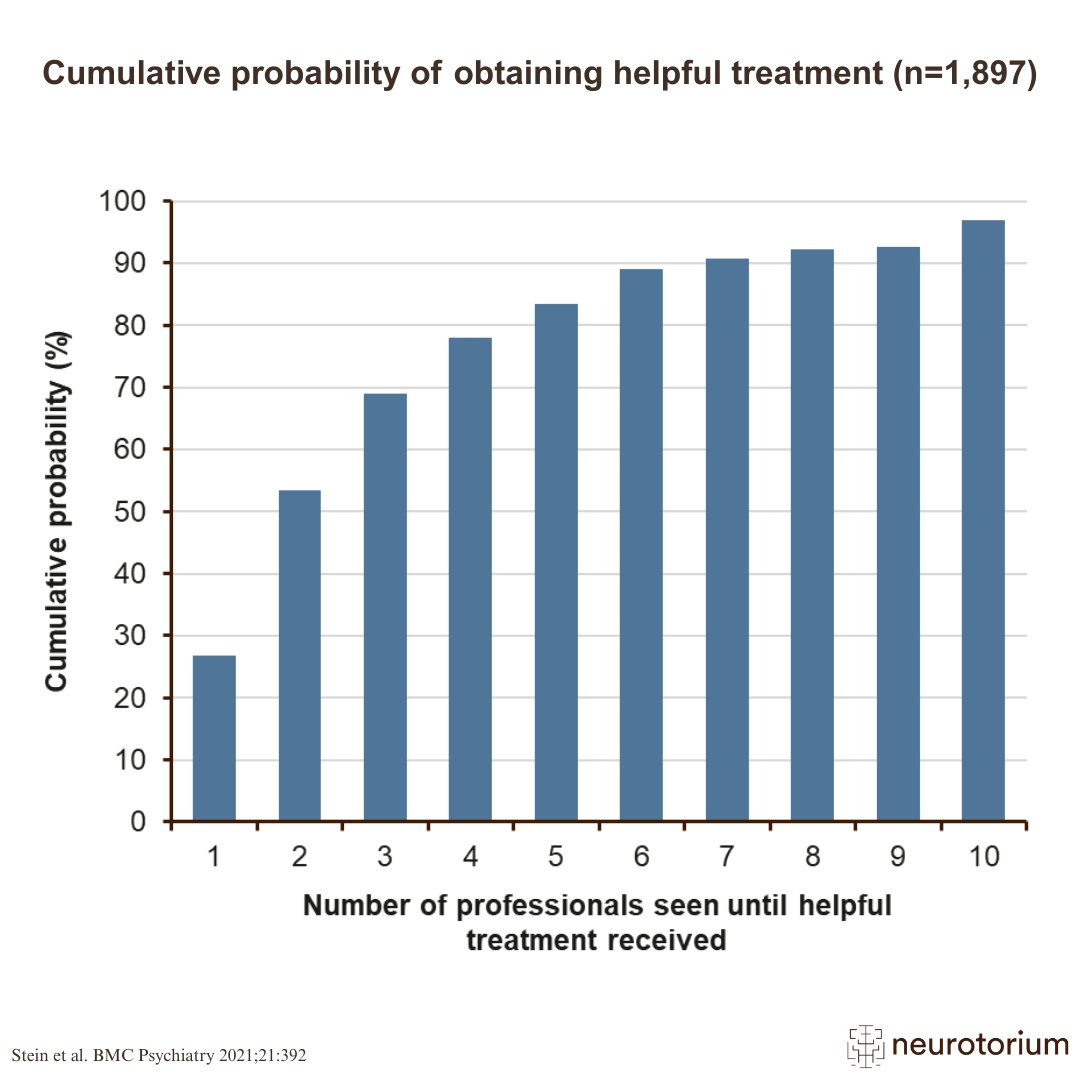
To investigate perceived helpfulness of treatment for GAD, data were analyzed from 26 WMH surveys carried out in 23 countries, using the CIDI to determine lifetime history. Respondents with lifetime GAD were asked:
- If they had ever talked to a medical professional about their anxiety
- If they had received treatment, and whether it was helpful
A higher proportion of respondents in HICs had sought treatment vs those in LMICs (38.4% vs 19.2%, p<0.001). However, perception of treatment being helpful did not differ significantly (70.9% vs 62.8%). The probability of receiving helpful treatment increased with the number of professionals seen – 77.3% of respondents sought the help of a second professional after initial unhelpful treatment, while only 29.7% persisted in seeking help from 10 professionals.
CIDI=Composite International Diagnostic Interview; GAD=generalized anxiety disorder;
HIC=high-income country; LMIC=low- and middle-income country; WMHS=World Mental Health Survey
Related content

Decades of twin and family research have established that anxiety disorders run in families and are meaningfully influenced by genetic factors. Family and twin studies suggest an increased recurrence risk for first degree relatives of patients with anxiety to develop any anxiety disorders.
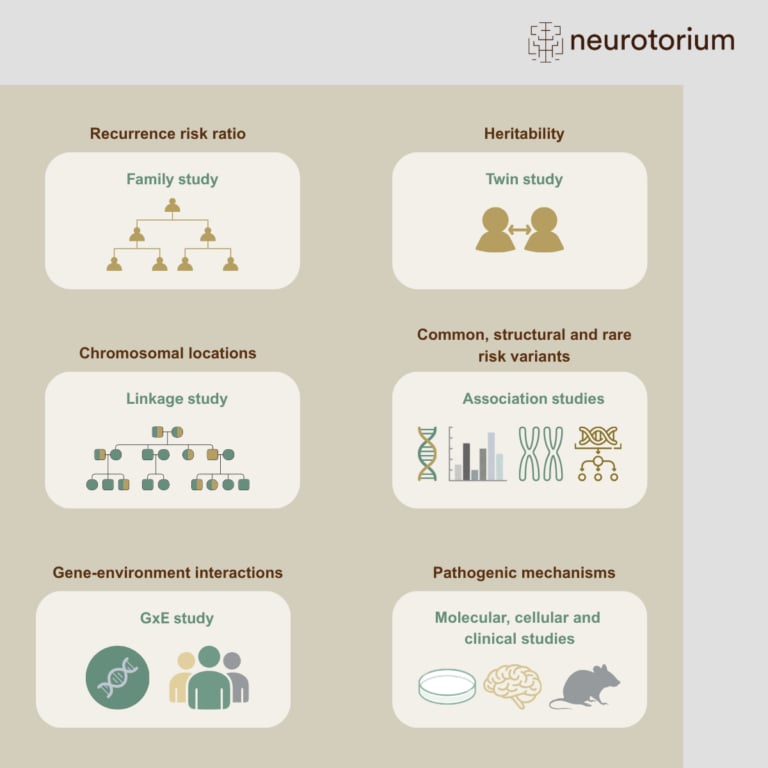
Family and twin studies estimate recurrence risk and heritability, showing that anxiety disorders aggregate in families and have a moderate genetic component.
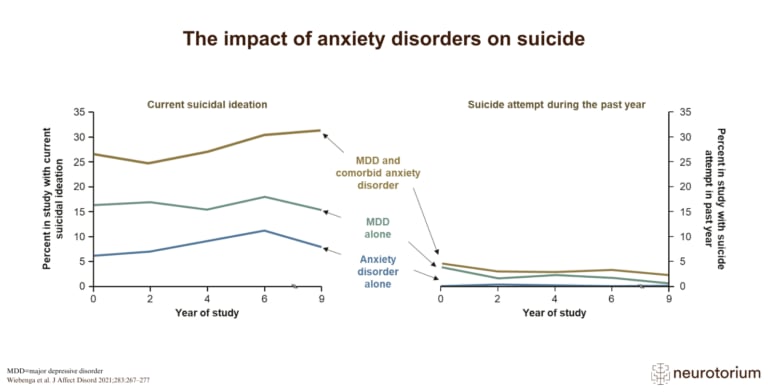
Suicidal ideation is far more common than attempts in people with anxiety or depression, especially with comorbid disorders and severe depression.