
Images

Filter

search
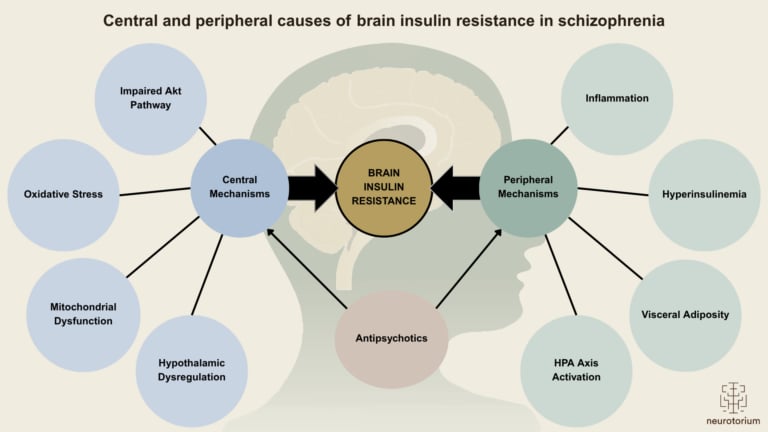
image Image Diagram showing central and peripheral factors contributing to brain insulin resistance in schizophrenia
Central and peripheral causes of brain insulin resistance in schizophrenia
Central and peripheral causes of brain insulin resistance in schizophrenia
24.10.2025 Schizophrenia
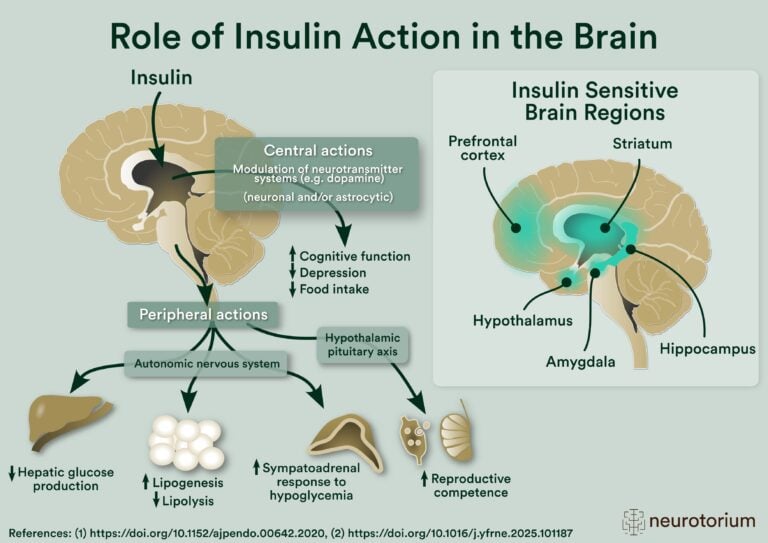
image Image Diagram of insulin signalling in the brain and its effects on neurons and glucose metabolism.
Brain insulin action in relation to peripheral and central outcomes
24.10.2025 Schizophrenia
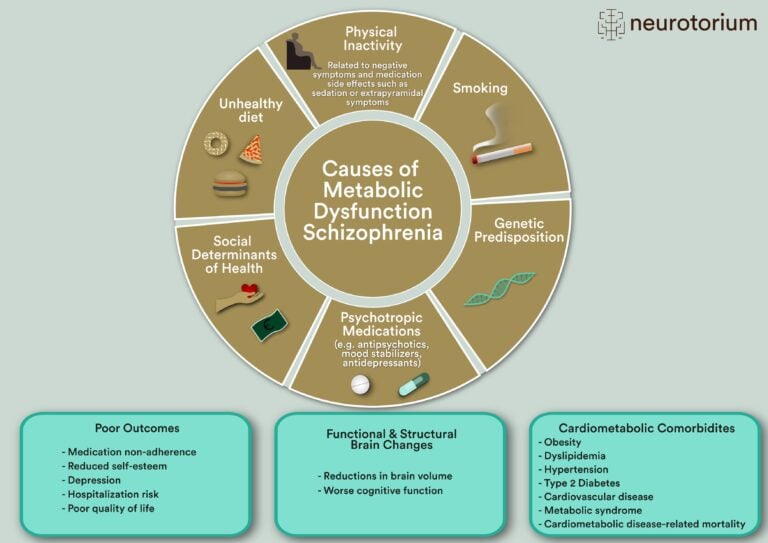
image Image Infographic illustrating causes of metabolic dysfunction in schizophrenia and associated outcomes such as cardiometabolic disease, brain changes, and reduced quality of life
Causes and consequences of metabolic dysfunction in schizophrenia
24.10.2025 Schizophrenia
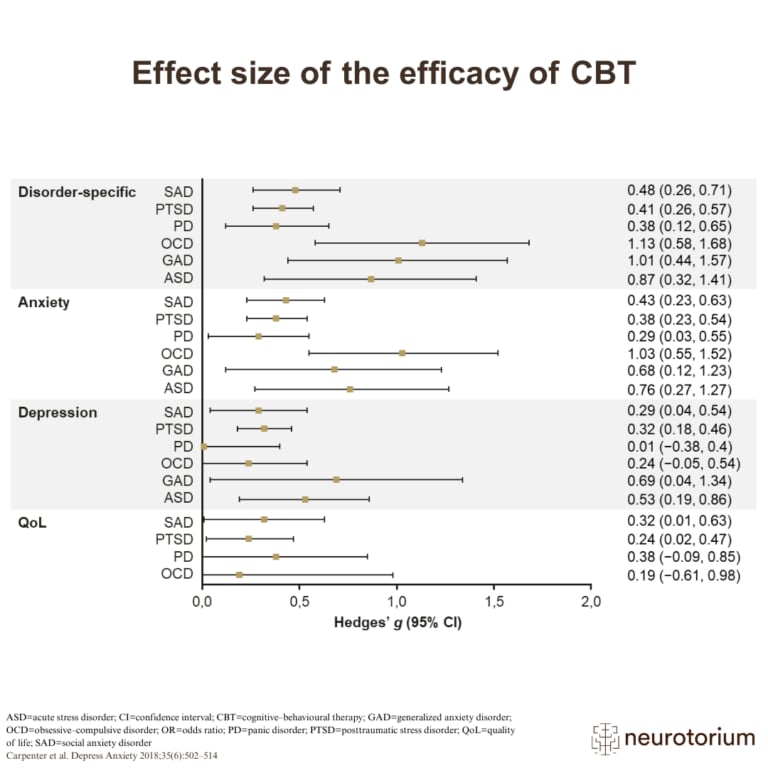
image Image Forest plot of CBT effect sizes across anxiety disorders, depression, and quality of life outcomes
Effect size of the efficacy of CBT

A meta-analysis included 41 randomized controlled trials that compared CBT with placebo. In 34 of these studies, the intervention was delivered on an individual basis, whereas in the remaining 7 studies CBT was delivered to groups.
01.10.2025 Anxiety Disorders
image Image
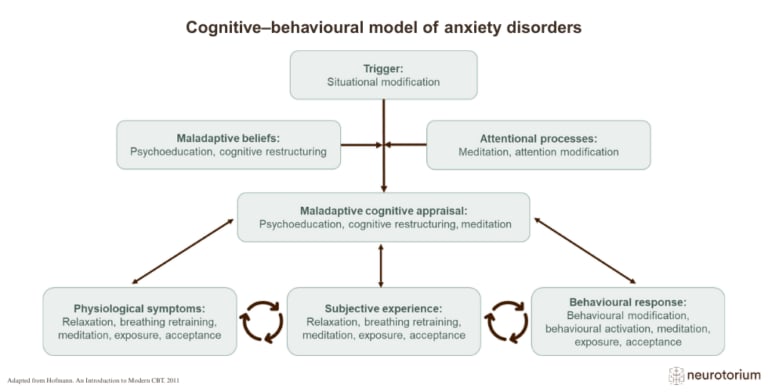
Cognitive–behavioural model of anxiety disorders

The cognitive‒behavioural model describes the maladaptive processes that can occur during mental disorders. Maladaptive beliefs can lead to maladaptive cognitions following exposure to certain triggers (e.g., situations, events, sensations, other thoughts). The triggers are evaluated and interpreted – appraisal – which leads to a subjective experience, physiological symptoms, and behavioural response.
01.10.2025 Anxiety Disorders
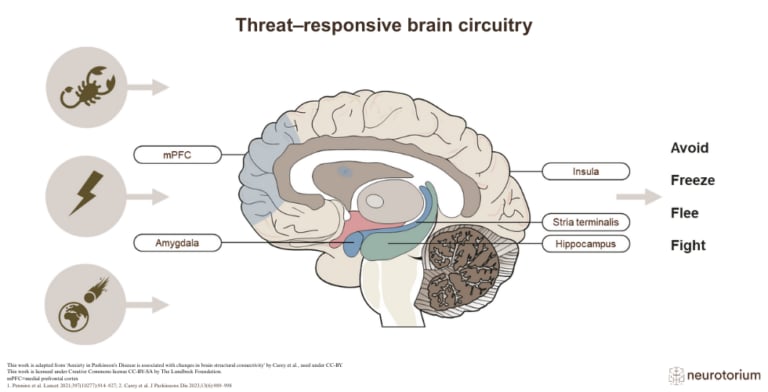
image Image Diagram of threat-responsive brain circuitry showing key brain regions involved in processing threats and triggering avoid, freeze, flee, or fight responses
Threat–responsive brain circuitry

Components of the brain’s threat circuitry – including the hippocampus, stria terminalis and its bed nucleus, amygdala, and frontal regions including the medial prefrontal cortex and insula – all interact depending on the nature and proximity of perceived threats to produce an appropriate response, ranging from avoidance to fighting.

01.10.2025 Anxiety Disorders

No results matched your search.
Please try again.

task_alt