

In this video, Professor Dr. David Baldwin emphasizes the importance of accurate diagnosis and thorough patient assessment in pharmacological treatment planning for anxiety disorders. The need to consider symptom severity, distress, and impairment, as well as patient preferences for treatment are highlighted. Starting at a low dose and gradually increasing it to the lowest effective dose is recommended, with a six to eight-week trial period to assess treatment efficacy. If no improvement is seen, potential side effects are discussed, and other factors such as alcohol consumption or social issues are considered. If these factors are not the cause, incorporating psychological treatment may be necessary.
Professor Dr. David Baldwin
Professor of Psychiatry and Section Head, Clinical Neuroscience, Medicine, University of Southampton Honorary Consultant Psychiatrist, Mood Disorders Service, Southern Health NHS Foundation Trust
Honorary Professor of Psychiatry, University of Cape Town, South Africa
Related content

Decades of twin and family research have established that anxiety disorders run in families and are meaningfully influenced by genetic factors. Family and twin studies suggest an increased recurrence risk for first degree relatives of patients with anxiety to develop any anxiety disorders.
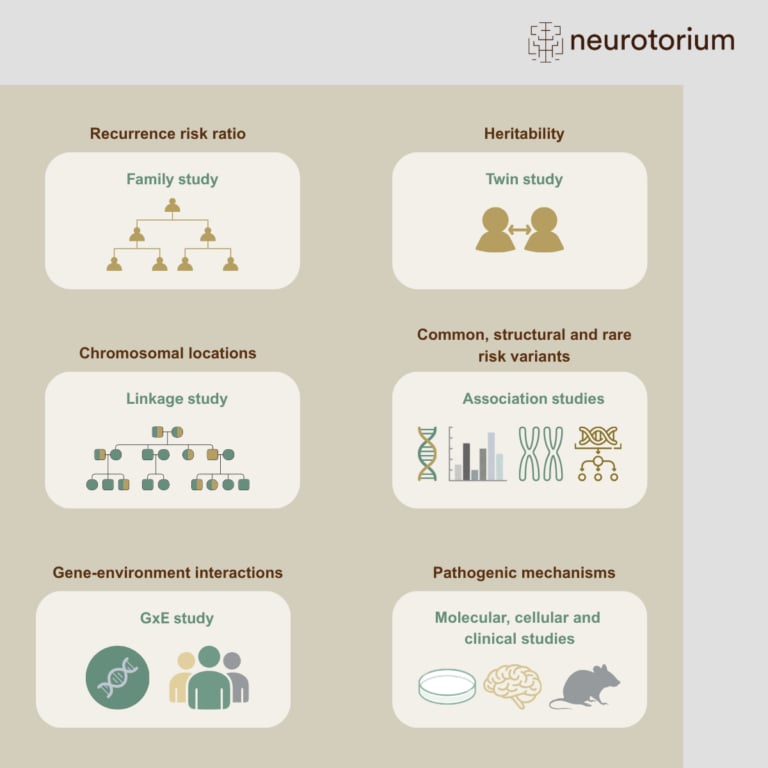
Family and twin studies estimate recurrence risk and heritability, showing that anxiety disorders aggregate in families and have a moderate genetic component.
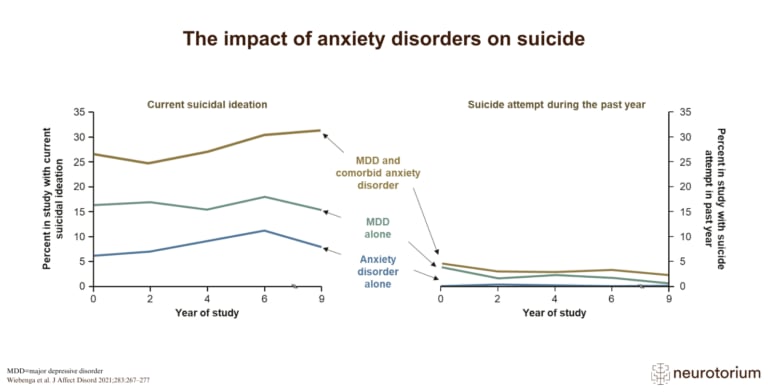
Suicidal ideation is far more common than attempts in people with anxiety or depression, especially with comorbid disorders and severe depression.