

In this video, Professor Dr. Ana Catalan explores whether psychotic disorders can be prevented and reviews the latest evidence on early intervention in psychosis. She explains how personalized, evidence-based care can enhance quality of life, daily functioning, and long-term recovery for people at risk of or experiencing psychosis.
Professor Catalan also outlines the different levels of prevention, from addressing risk factors before symptoms emerge to supporting individuals in the early and later stages of illness. Finally, she discusses the challenges of predicting psychosis and the importance of delivering timely, person-centered care.

Related content
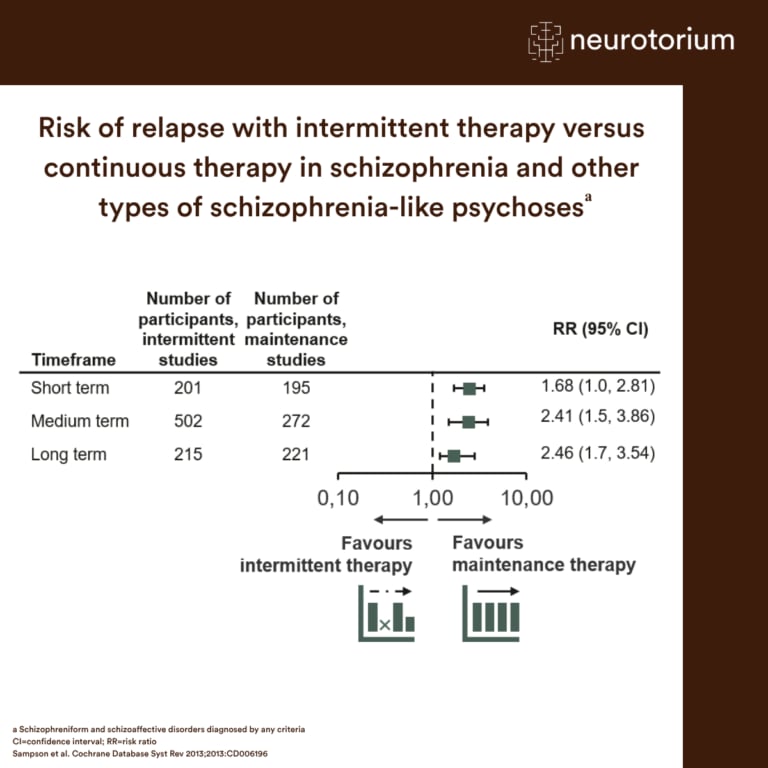
Continuous maintenance therapy is associated with a lower risk of relapse than intermittent treatment, supporting ongoing treatment strategies in schizophrenia and related psychotic disorders.
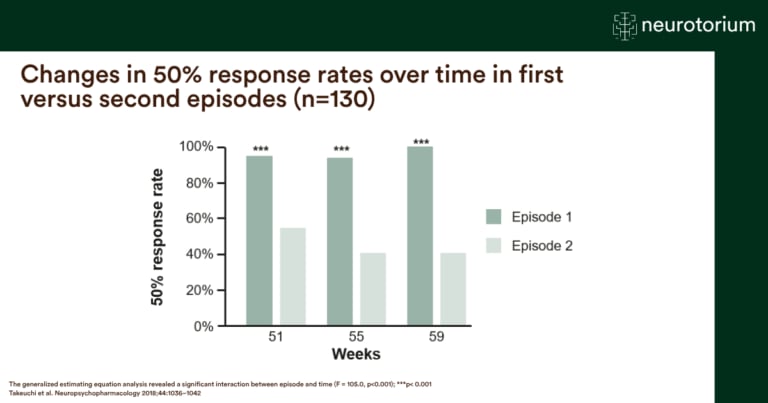
Treatment response tends to be higher during a first episode than during subsequent episodes, emphasizing the importance of early intervention and effective management.
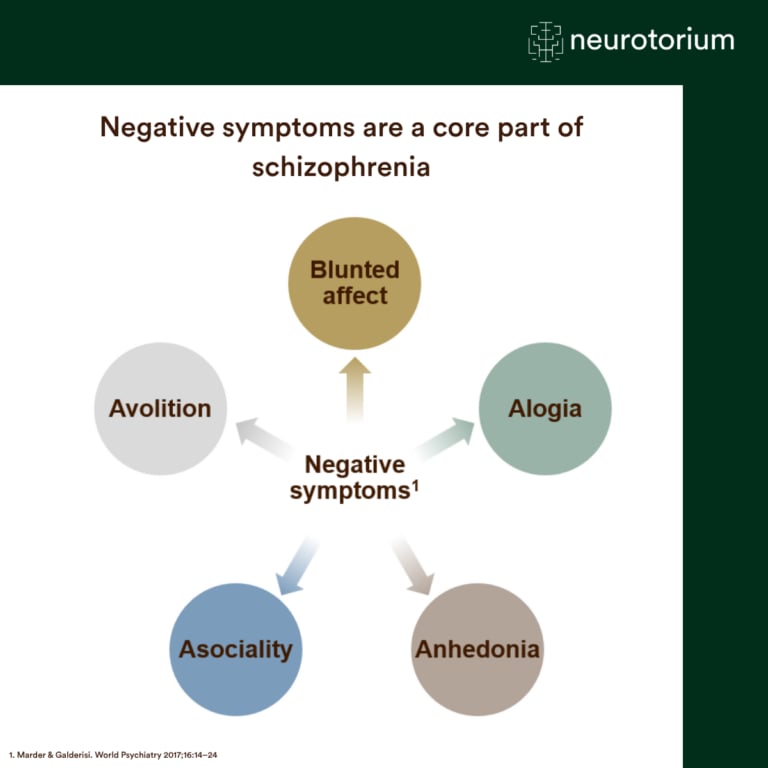
Negative symptoms are a core feature of schizophrenia and can have a profound impact on functioning, social relationships, and quality of life.