


Images
Filter
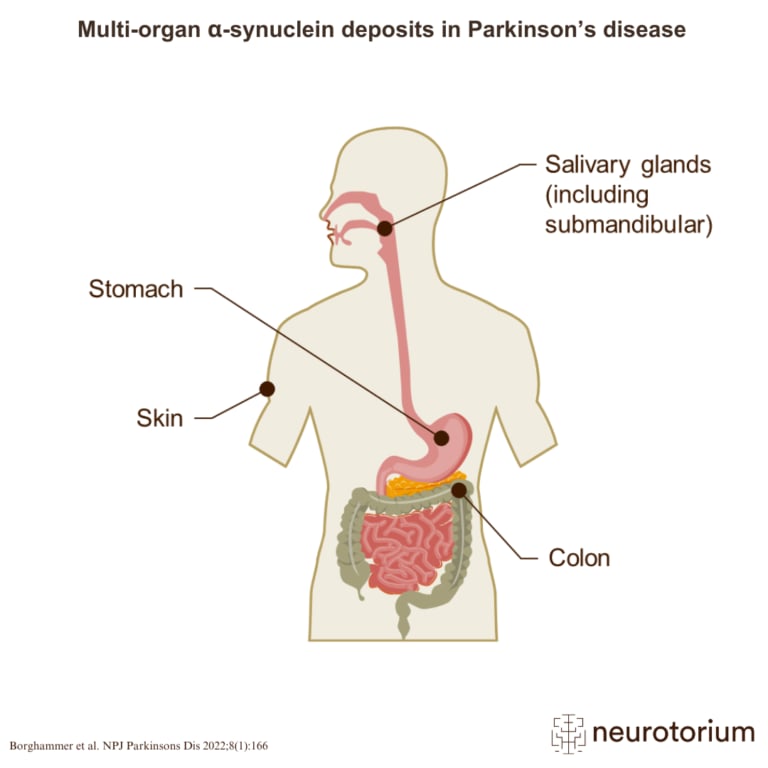
Parkinson’s disease pathology extends beyond the brain, with α-synuclein deposits found in organs like the skin, stomach, colon, and salivary glands.
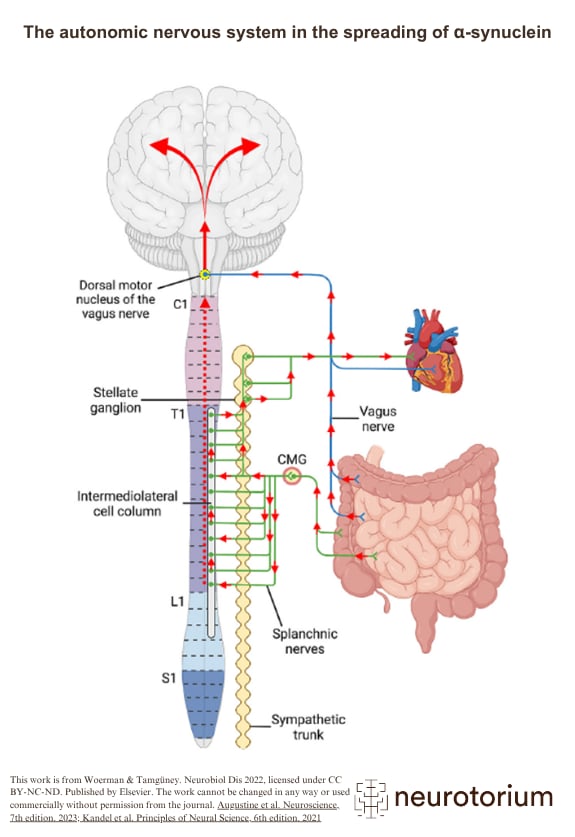
The spread of misfolded α-synuclein through the autonomic nervous system is central to the progression of Parkinson’s disease pathology
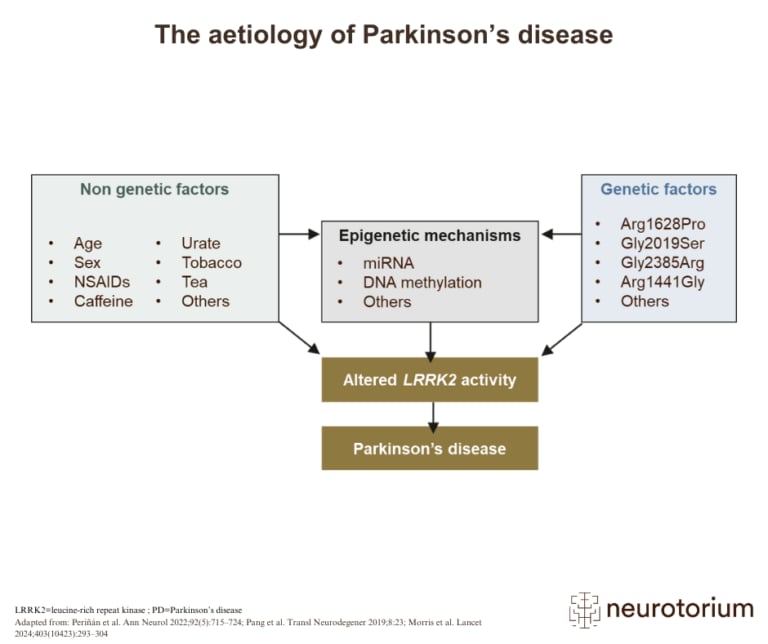
The development of Parkinson’s disease involves both genetic and non-genetic factors, including epigenetic mechanisms that influence LRRK2 activity.
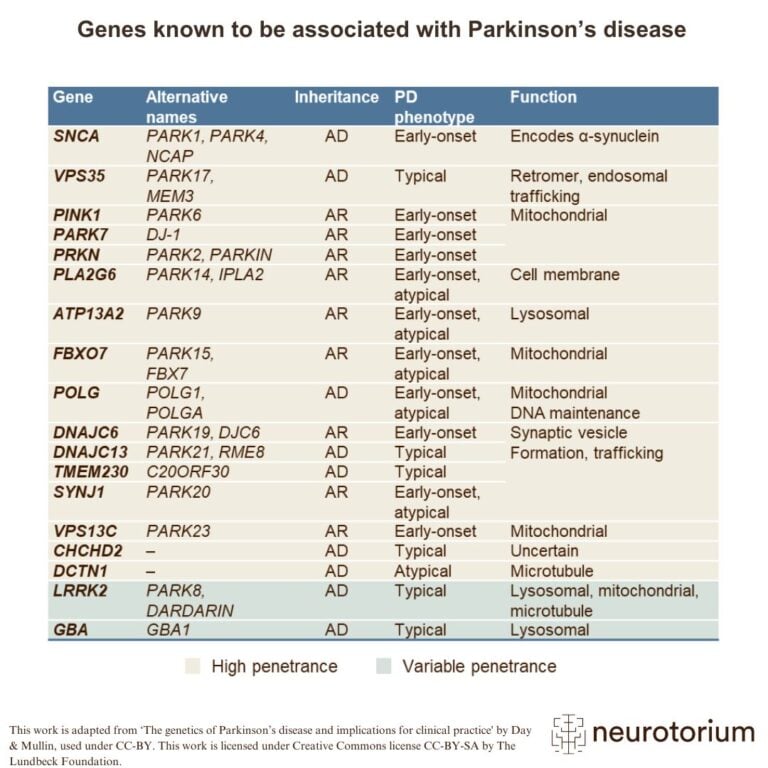
Genetic research has identified several high- and variable-penetrance genes associated with Parkinson’s disease, including SNCA, PINK1, PRKN, and GBA.
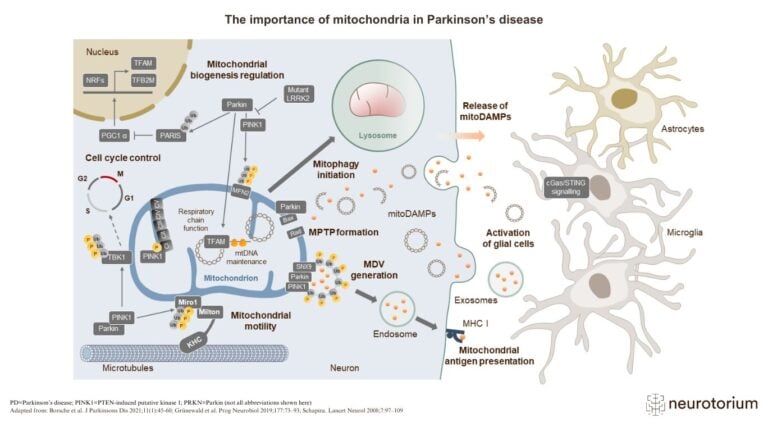
Mitochondria play a critical role in Parkinson’s disease. Discover how mitochondrial dysfunction, oxidative stress, and genetic variations drive PD pathology.
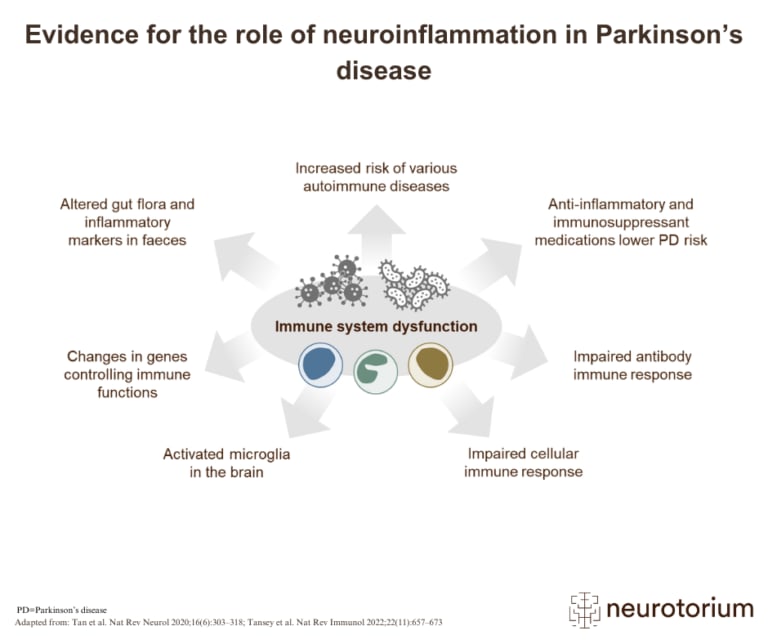
Emerging evidence supports a strong link between immune system dysfunction, neuroinflammation, and the development of Parkinson’s disease.
No results matched your search.
Please try again.