


Images
Filter
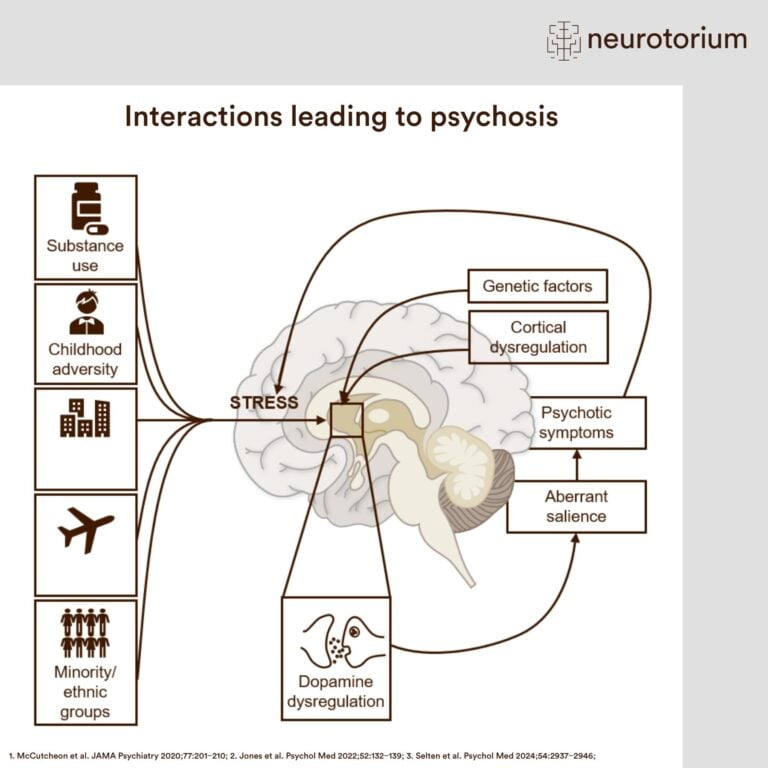
Genetic vulnerability, environmental risk factors, and dopamine dysregulation interact to drive the development of psychosis.
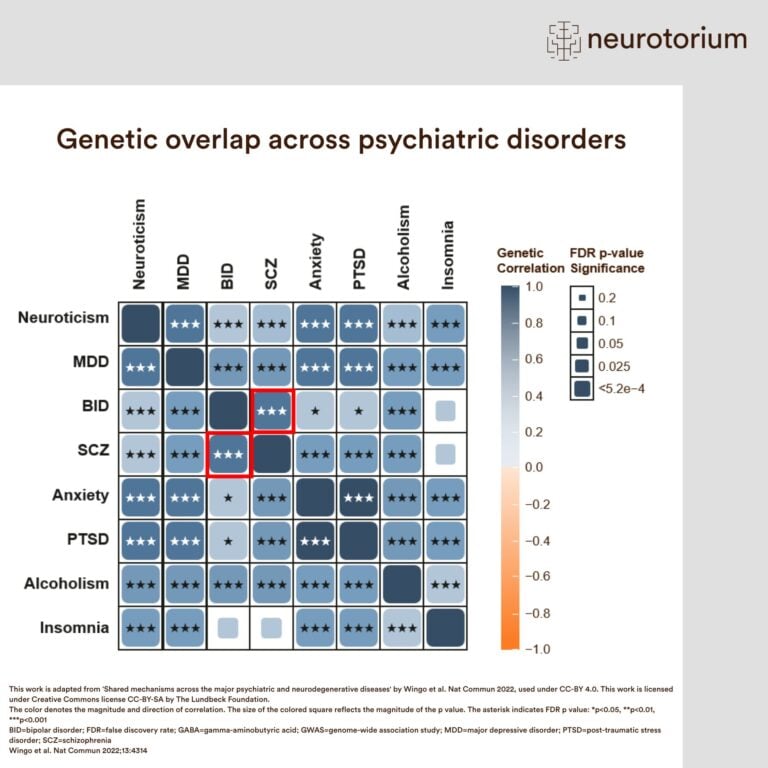
Psychiatric disorders share substantial genetic risk, with particularly strong overlap observed between schizophrenia, bipolar disorder, depression, anxiety, and PTSD.
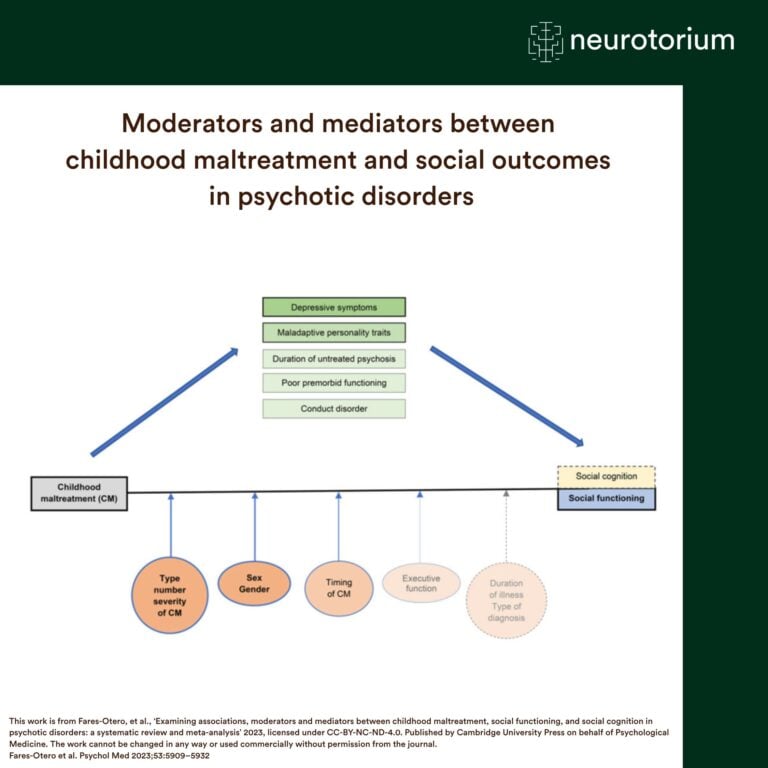
Childhood maltreatment can influence social functioning in psychotic disorders through multiple mediating and moderating factors.
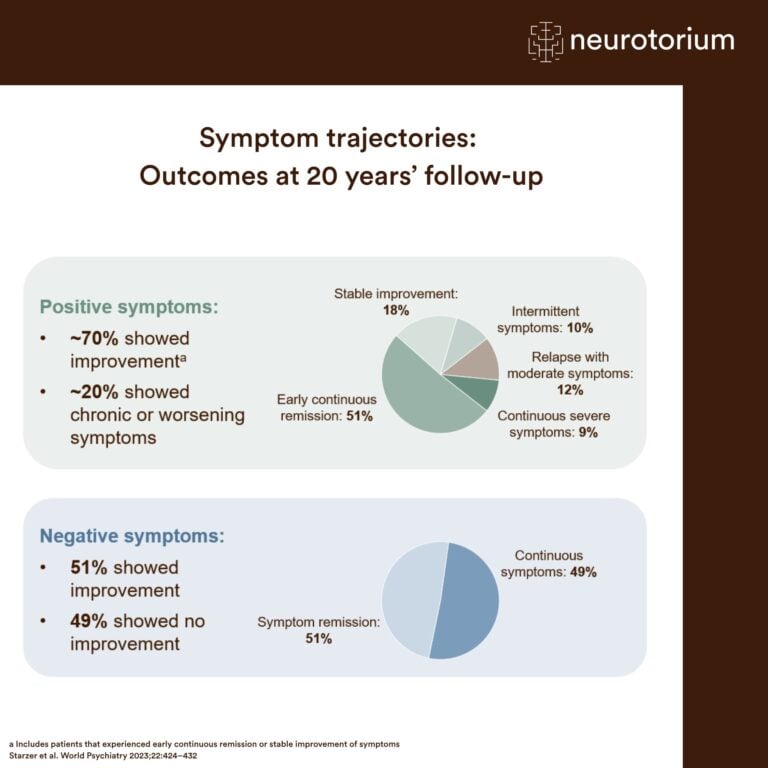
Positive and negative symptoms follow distinct long-term trajectories, with varying levels of remission, persistence, and relapse over 20 years.
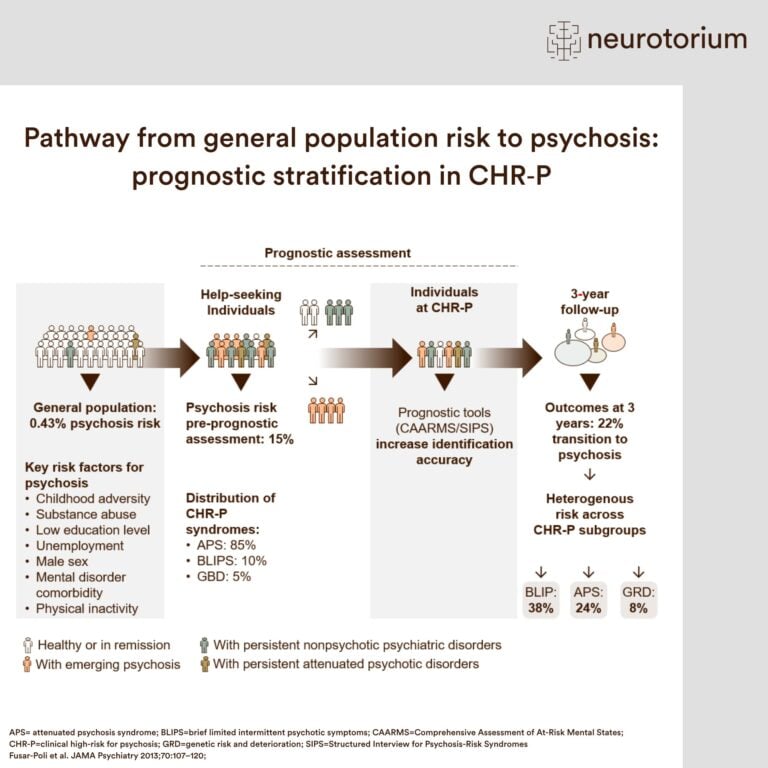
From population risk to psychosis: identifying and stratifying individuals at clinical high risk
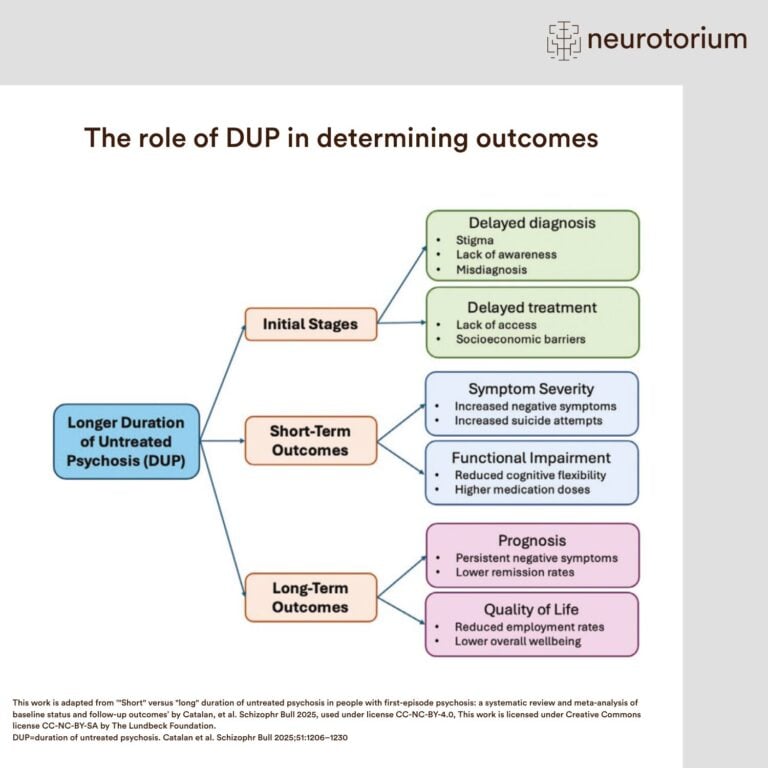
Longer duration of untreated psychosis is associated with poorer short- and long-term clinical, functional, and quality-of-life outcomes.
No results matched your search.
Please try again.