


Images
Filter
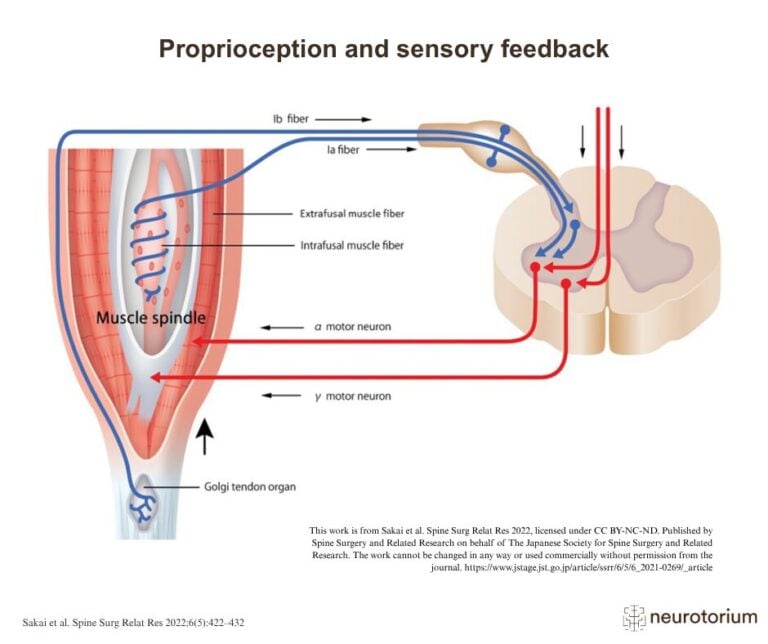
Controlled movement relies on sensory feedback, particularly proprioception (the sense of body position in space and movement).
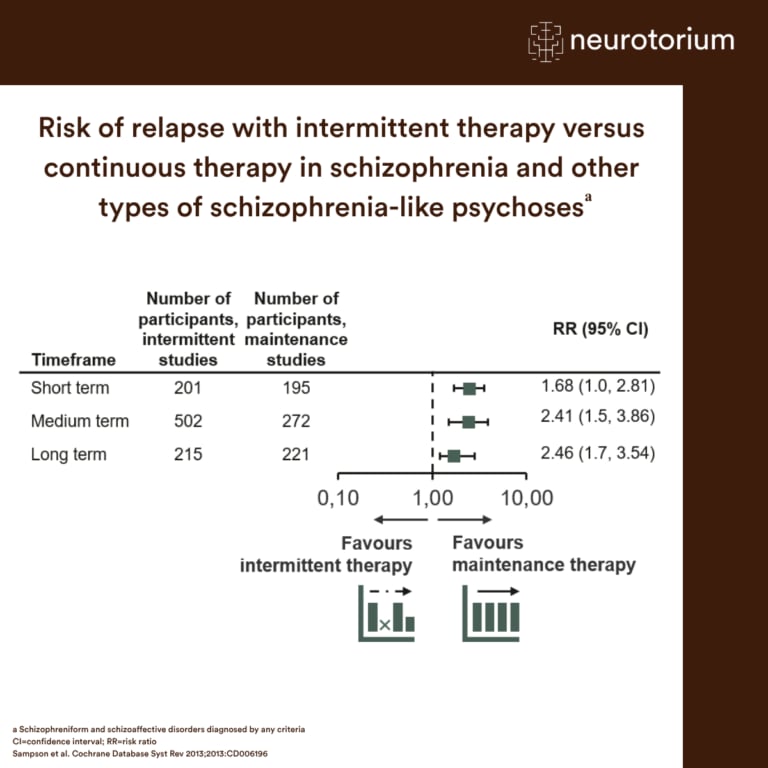
Continuous maintenance therapy is associated with a lower risk of relapse than intermittent treatment, supporting ongoing treatment strategies in schizophrenia and related psychotic disorders.
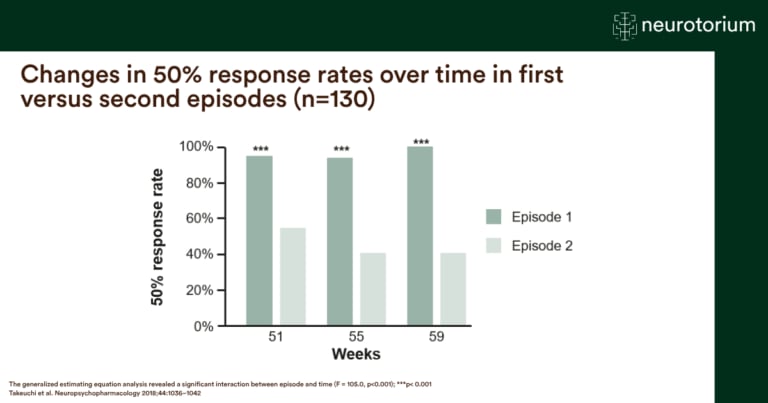
Treatment response tends to be higher during a first episode than during subsequent episodes, emphasizing the importance of early intervention and effective management.
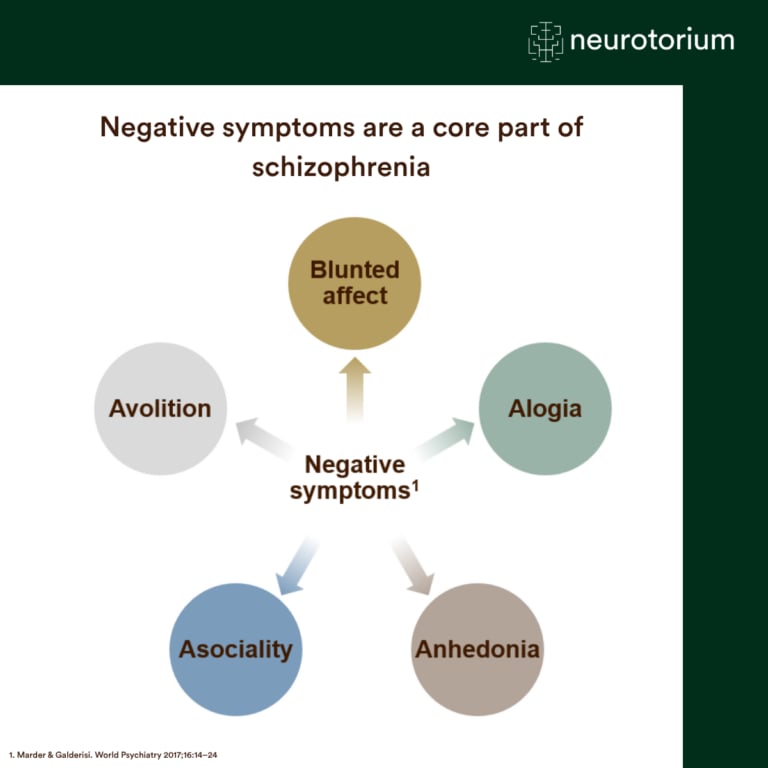
Negative symptoms are a core feature of schizophrenia and can have a profound impact on functioning, social relationships, and quality of life.
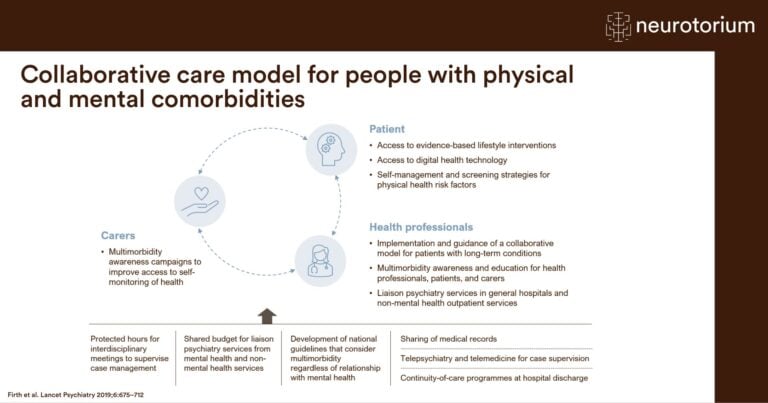
Collaborative care approaches can help address the complex needs of people living with both mental and physical health conditions.
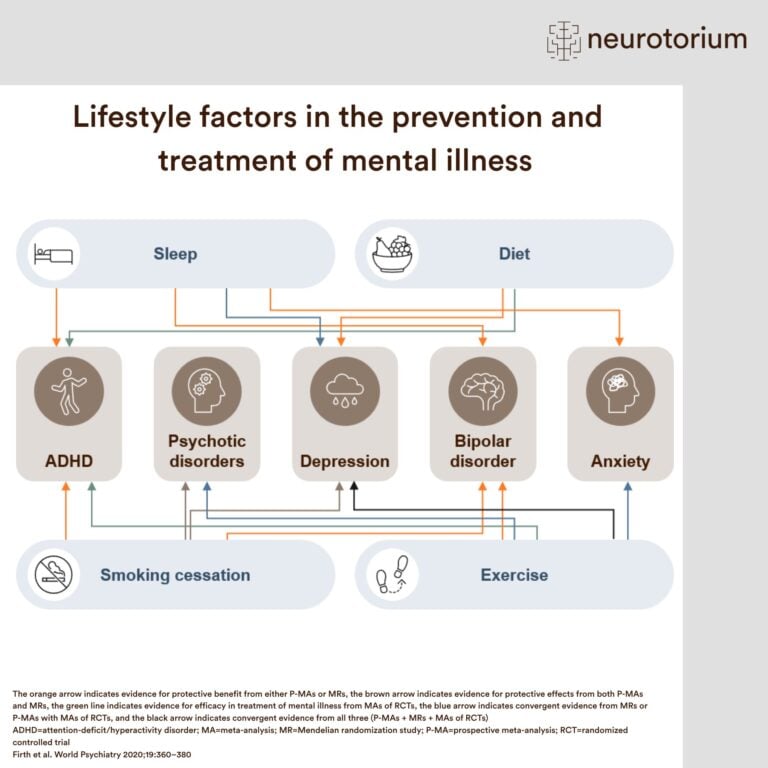
Lifestyle interventions can play an important role in both preventing mental illness and improving outcomes across a range of psychiatric disorders.
No results matched your search.
Please try again.