


Images
Filter
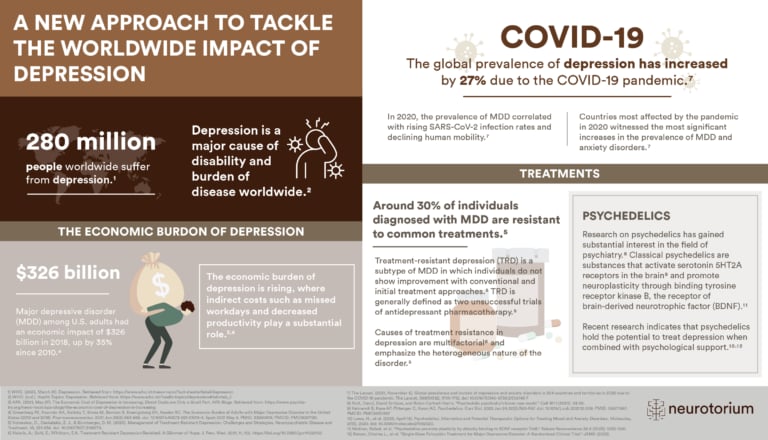
The infographic shows a 27% increase in depression cases due to COVID-19, affecting 280 million people worldwide.
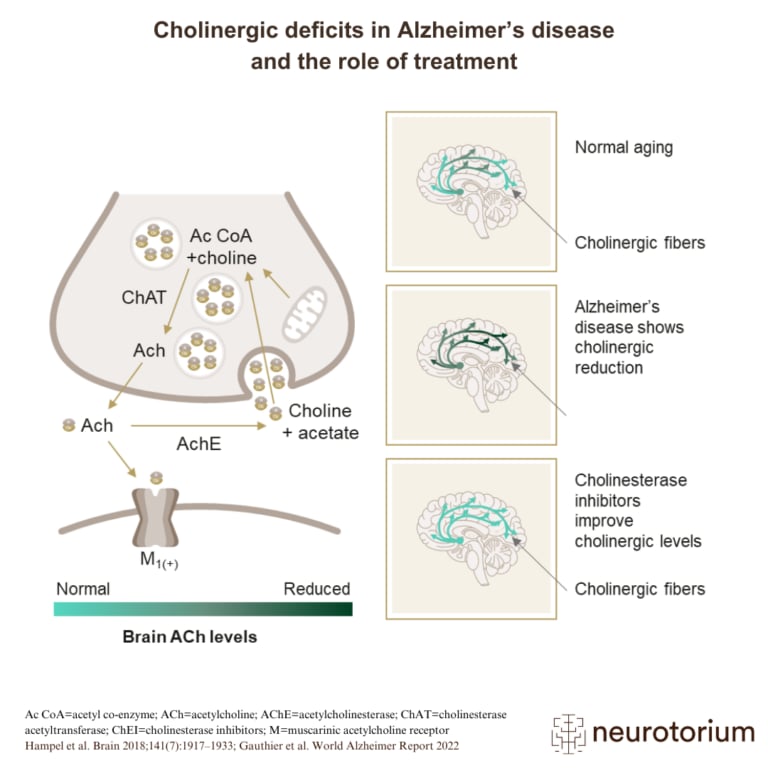
In patients with Alzheimer’s disease, cholinergic neurons are progressively lost, reducing levels of acetylcholine.

Overstimulation of the NMDA receptors by glutamate is implicated in neurodegenerative disorders, including Alzheimer’s disease.
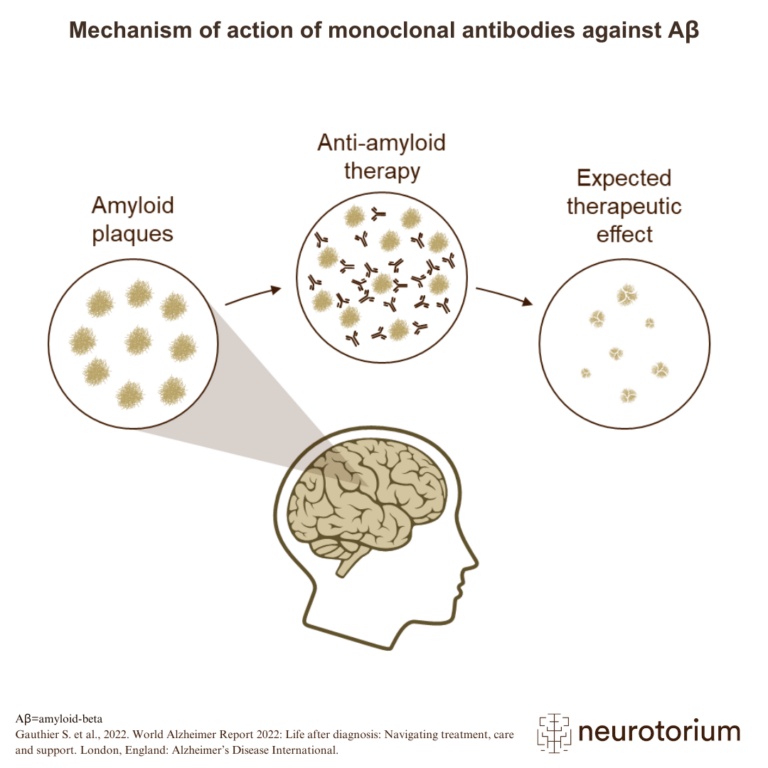
Several Alzheimer’s Disease therapies under investigation target Aβ or its aggregates and can generally be divided into four therapeutic aims: 1) reduce Aβ generation; 2) enhance degradation and clearance of Aβ; 3) neutralize soluble Aβ monomers or the resulting toxicity; 4) directly inhibit Aβ aggregation.
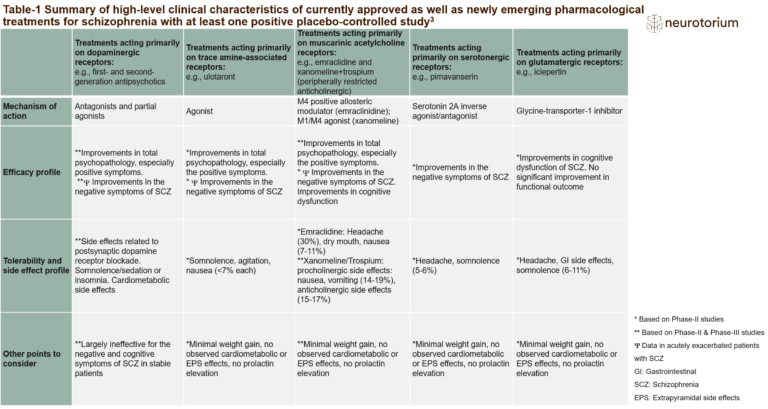
The table summarizes the high-level clinical characteristics of the existing and newly emerging pharmacological treatments for schizophrenia with at least one positive placebo-controlled trial.
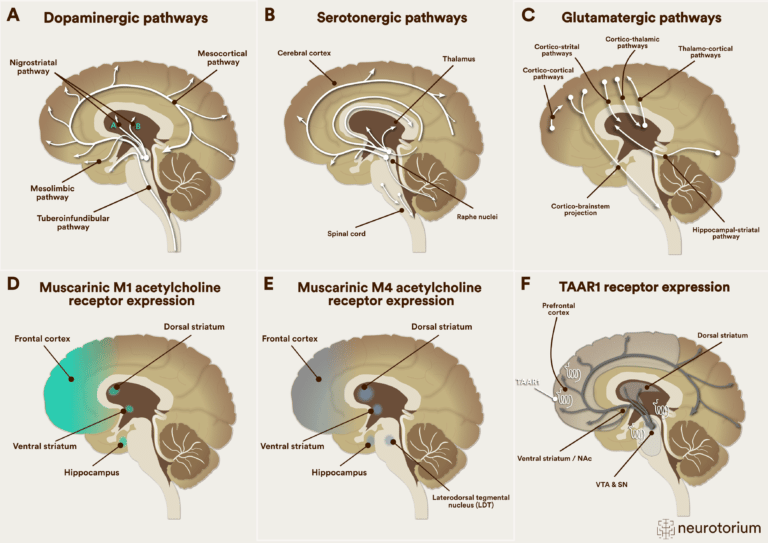
LDT=Laterodorsal tegmental nucleus; NAc = Nucleus Accumbens; SN = Substantia Nigra; VTA = Ventral Tegmental Area.
No results matched your search.
Please try again.