


Images
Filter
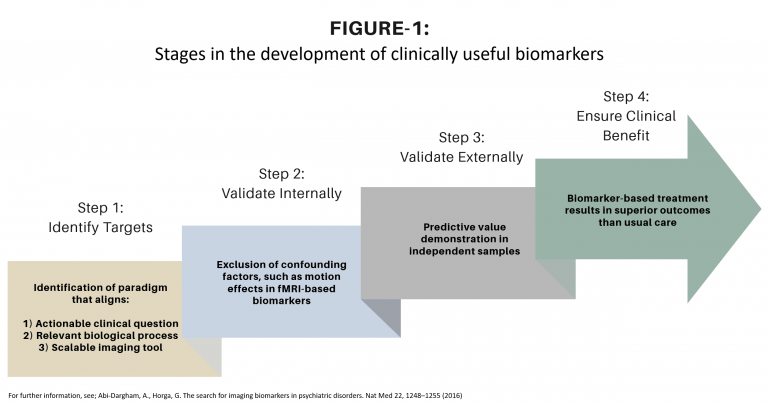
This image shows the four stages of biomarker discovery from Step 1: Identifying Targets to Step 4: Ensuring Clinical Benefit.
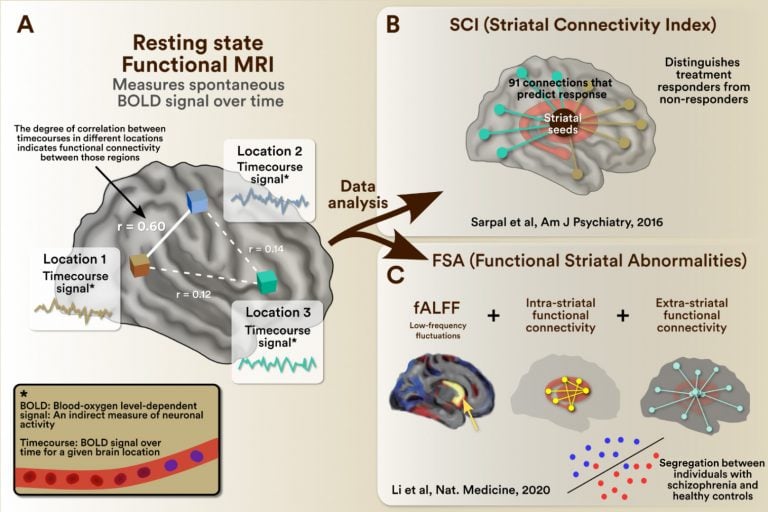
This image shows exemplars of biomarkers of Schizophrenia. A) Resting state Functional MRI, B) SCI (Striatal Connectivity Index), and C) FSA (Functional Striatal Abnormalities).
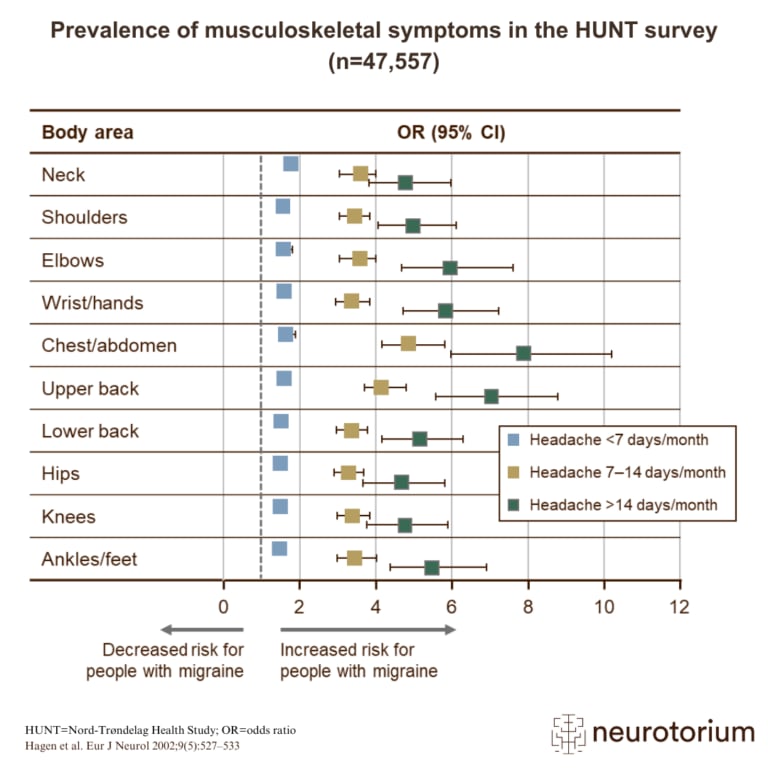
The Norwegian HUNT survey found a strong association between chronic headache and musculoskeletal symptoms and joint pain.
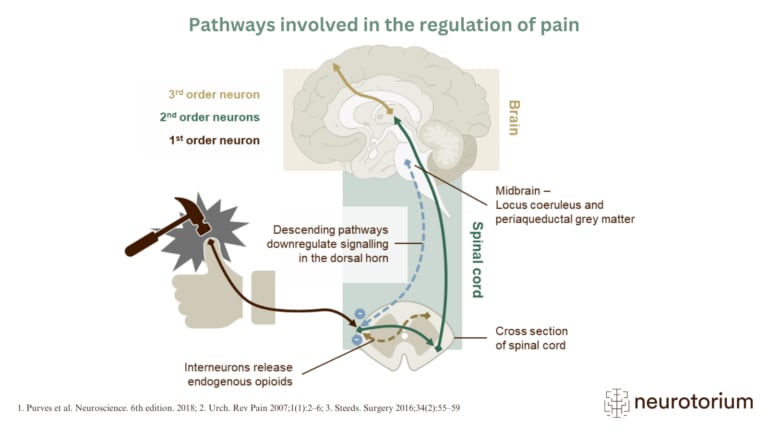
The ascending pathway, which transmits sensations of pain to the brain, is regulated by neurons that descend from the brainstem – the descending pathway.
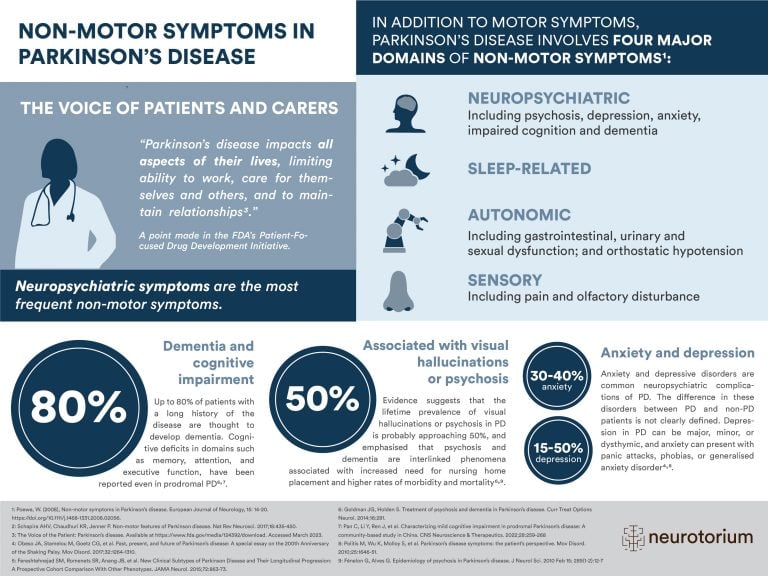
This infographic provides a visual, at-a-glance overview of the Non-motor symptoms in Parkinson’s Disease.
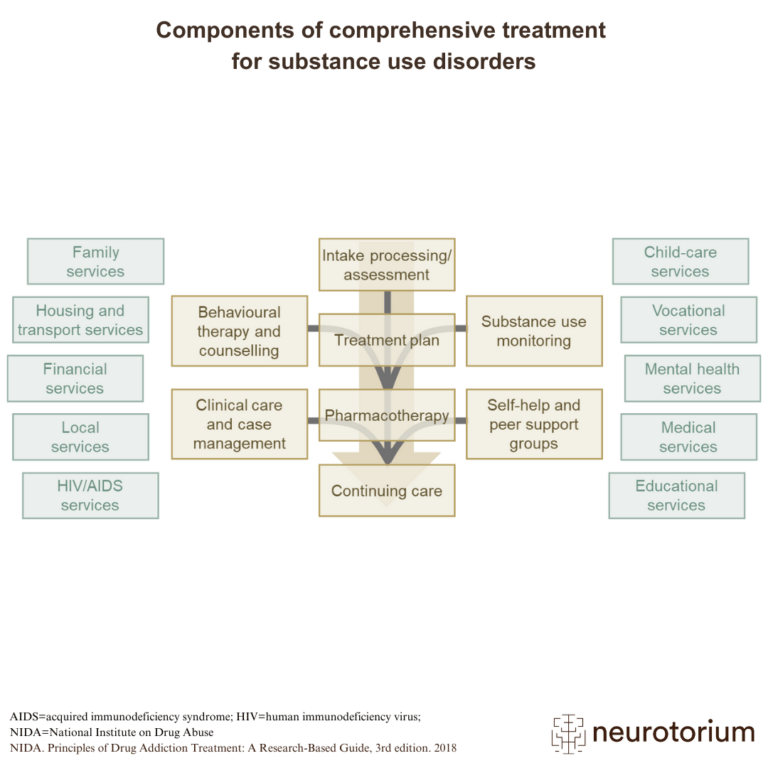
Addiction is typically a long-term illness, often involving relapse; therefore, treatment should not be seen as a single event, but rather a process of intervention and monitoring – highlighting the importance of treatment retention.
No results matched your search.
Please try again.