


Images
Filter
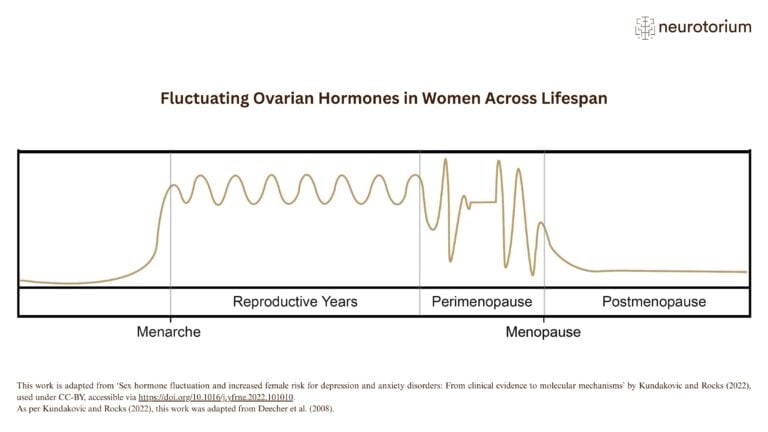
This illustration shows key phases of ovarian hormone fluctuation across the female lifespan, from menarche to menopause.
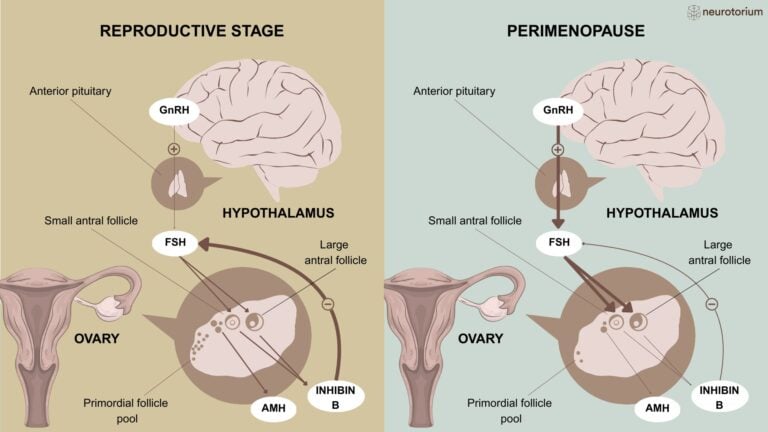
Physiological changes in endocrine function from the reproductive stage to perimenopause
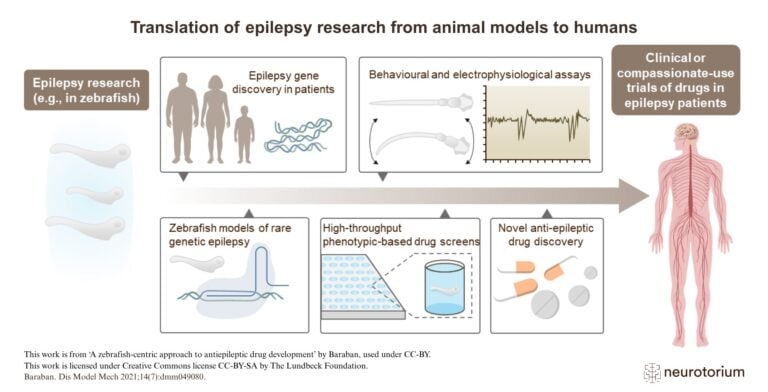
Observations made in animal models require translation to humans to provide useful insights into human disease.
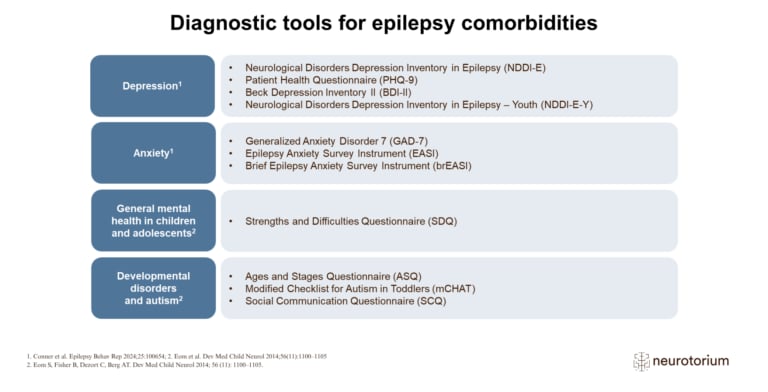
The figure presents key diagnostic tools used to assess common comorbidities in people with epilepsy. For depression, recommended instruments include the NDDI-E, PHQ-9, BDI-II, and NDDI-E-Y. Anxiety can be evaluated using the GAD-7, EASI, and brEASI. General mental health in children and adolescents is assessed with the SDQ. Developmental disorders and autism may be screened using the ASQ, mCHAT, and SCQ.
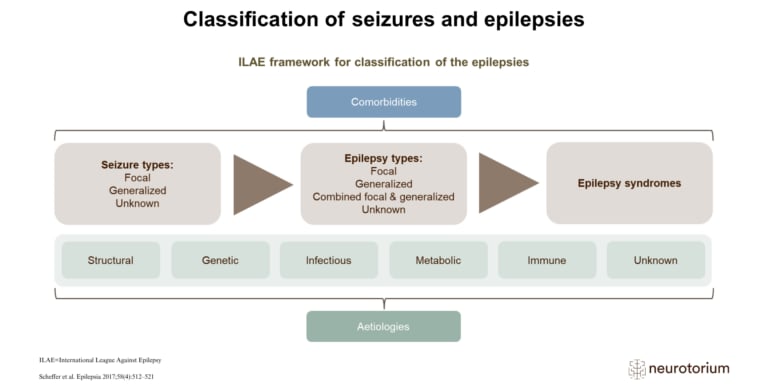
The figure illustrates the ILAE framework for classification of the epilepsies and to determine different levels of the condition.
Clinicians use different types of diagnostic tools to determine different levels of the condition: (1) the type of seizures, (2) the type of epilepsy, and (3) the epilepsy syndrome.
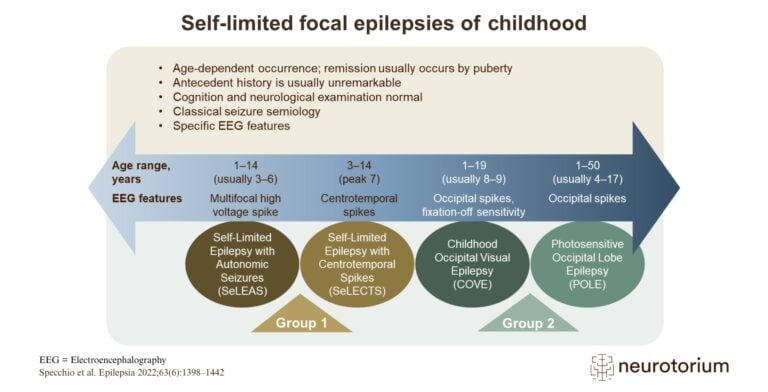
Self-limited focal epilepsies of childhood (SeLFEs) are a group of conditions occurring without a known cause in children who appear cognitively and neurologically normal and have no significant structural brain lesion.
No results matched your search.
Please try again.